Your clothes dryer is designed to make laundry faster and more convenient, but the dryer vent needs regular attention to operate safely and efficiently. Over time, lint, dust, pet hair, and other debris can accumulate inside the vent system. When airflow becomes restricted, the dryer may take longer to dry clothes, become unusually hot, or show other warning signs.
In some situations, waiting for routine maintenance may not be the best choice. Strong burning odors, excessive heat, visible lint buildup, or a dryer that suddenly stops drying properly can indicate a more urgent ventilation problem.
Emergency dryer vent cleaning can help address serious blockages and restore proper airflow before the situation becomes more dangerous. Understanding the warning signs can help homeowners know when professional assistance is needed.
What Is Dryer Vent Cleaning?
Dryer vent cleaning is the process of removing accumulated lint and debris from the vent system that carries hot, moist air from the dryer to the outside.
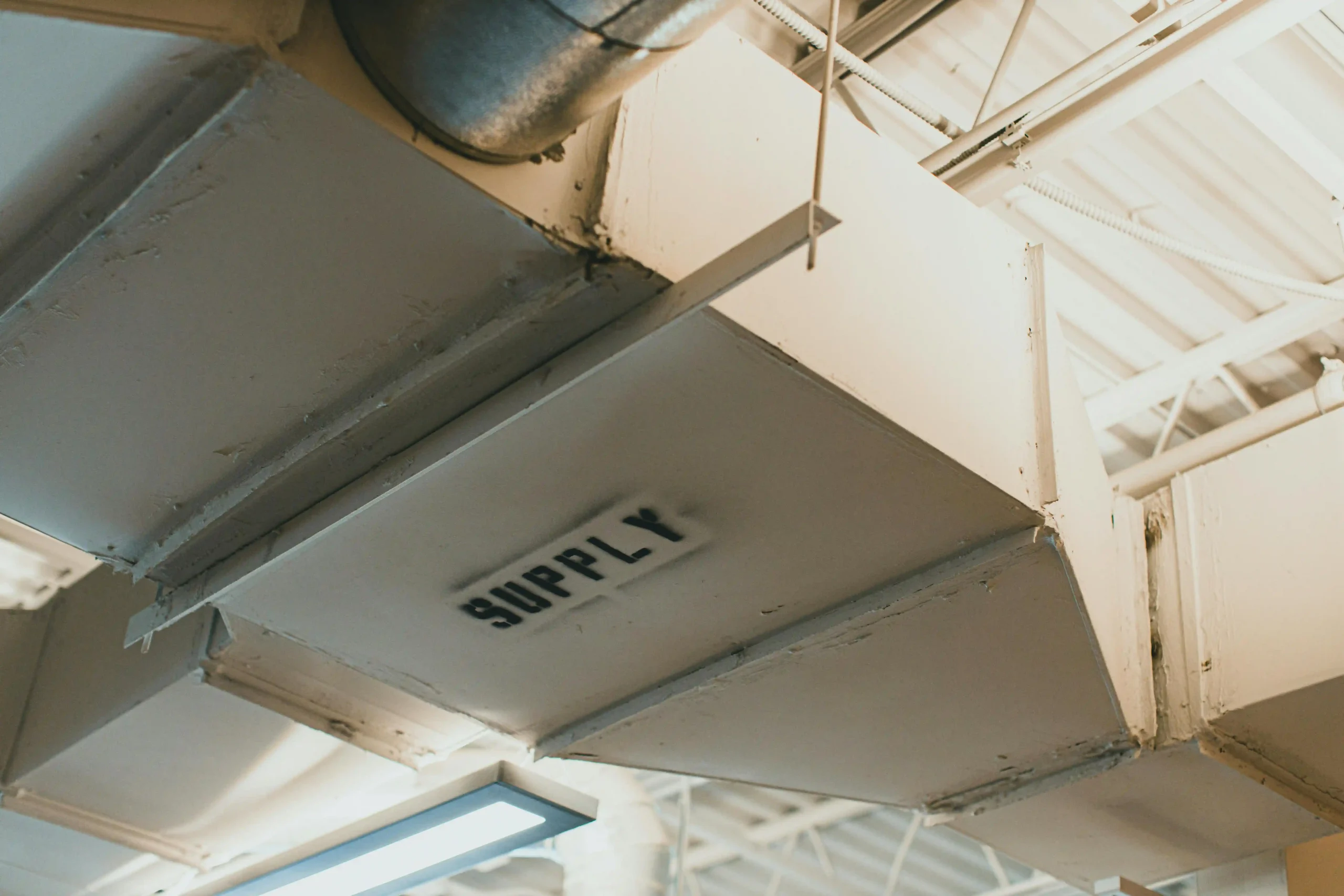
A typical system may include the dryer connection, flexible or rigid ductwork, wall passage, and exterior vent opening. Depending on the home’s design, the duct may travel a short distance or extend through multiple sections before reaching the outside.
Cleaning helps maintain airflow through this pathway. When debris builds up, the dryer may have to work harder and run longer to remove moisture from clothing.
Regular maintenance is important, but certain warning signs may require prompt professional attention.
1. You Notice a Burning Smell
A burning or overheating smell coming from the dryer or laundry area should never be ignored.
Lint is highly combustible, and excessive accumulation inside or around the dryer ventilation system can create a serious fire hazard. A burning odor may also come from mechanical or electrical components, so the exact cause needs to be identified.
If you notice a strong burning smell, stop using the appliance until the situation has been professionally evaluated.
Do not assume that the smell will disappear on its own.
2. Clothes Take Much Longer to Dry
One of the most common signs of restricted airflow is an unusually long drying cycle.
If clothes that normally dry in one cycle suddenly require multiple cycles, the vent may not be allowing warm, moist air to escape efficiently.
A blocked or restricted duct can cause the dryer to operate longer and harder. This can increase energy consumption and put additional stress on the appliance.
Before replacing the dryer, have the ventilation system inspected. The appliance may be functioning properly while the problem is actually located in the vent.
3. The Dryer Becomes Extremely Hot
A dryer naturally produces heat, but the appliance or surrounding area should not become excessively hot during normal operation.
If the top, sides, or laundry room becomes unusually hot, restricted airflow could be contributing to the problem.
A clogged vent can prevent heat and moisture from escaping efficiently. This may cause the dryer to operate at higher temperatures than intended.
Turn off the appliance and arrange for professional inspection if overheating occurs repeatedly.
4. The Exterior Vent Has Little or No Airflow
The outside vent should normally release warm, moist air while the dryer is operating.
If little air comes out, or you notice almost no airflow at all, there may be a blockage somewhere in the duct.
Lint buildup can occur near bends, connections, long duct runs, or the exterior termination.
Checking the exterior opening can provide a useful warning sign, but homeowners should not attempt to dismantle the entire duct system without proper knowledge and equipment.
5. The Dryer Stops Working Properly
Some modern dryers are designed to detect airflow problems and may shut down or display an error when ventilation becomes restricted.
If your dryer repeatedly stops before the cycle is complete, check the manufacturer’s recommendations. The issue could be related to the appliance, but a blocked vent is another possibility.
Repeated shutdowns should not simply be ignored. Continuing to operate a dryer with inadequate airflow can place unnecessary stress on the equipment.
6. You See Excessive Lint Around the Laundry Area
Lint around the dryer, behind the appliance, or near the exterior vent can indicate that the ventilation system needs attention.
A small amount of lint is normal, but significant accumulation may suggest that the vent connection is loose, damaged, clogged, or not exhausting correctly.
The lint filter should be cleaned after every load, but cleaning the filter does not remove lint that has entered the duct system.
Professional vent cleaning addresses the larger ventilation pathway.
7. Your Dryer Is Making Unusual Sounds
Unusual sounds do not always indicate a ventilation issue, but they can be a reason to investigate the appliance and surrounding system.
Rattling, vibrating, or other unexpected noises could come from the dryer itself, a loose connection, or debris affecting the ventilation system.
If unusual sounds occur together with overheating, long drying times, or poor airflow, professional inspection becomes especially important.
Why Lint Buildup Is a Serious Concern
Lint may look harmless, but large amounts can accumulate inside a dryer vent over time. When airflow is restricted, heat and moisture may remain inside the system longer than intended.
The U.S. Fire Administration advises cleaning dryer lint filters after every load and having dryer vents cleaned when necessary. Good maintenance practices can help reduce fire risks and improve appliance performance.
Homeowners should also follow the dryer manufacturer’s maintenance recommendations.
How Emergency Vent Cleaning Can Help
Emergency service is intended for situations where a serious ventilation problem needs prompt attention.
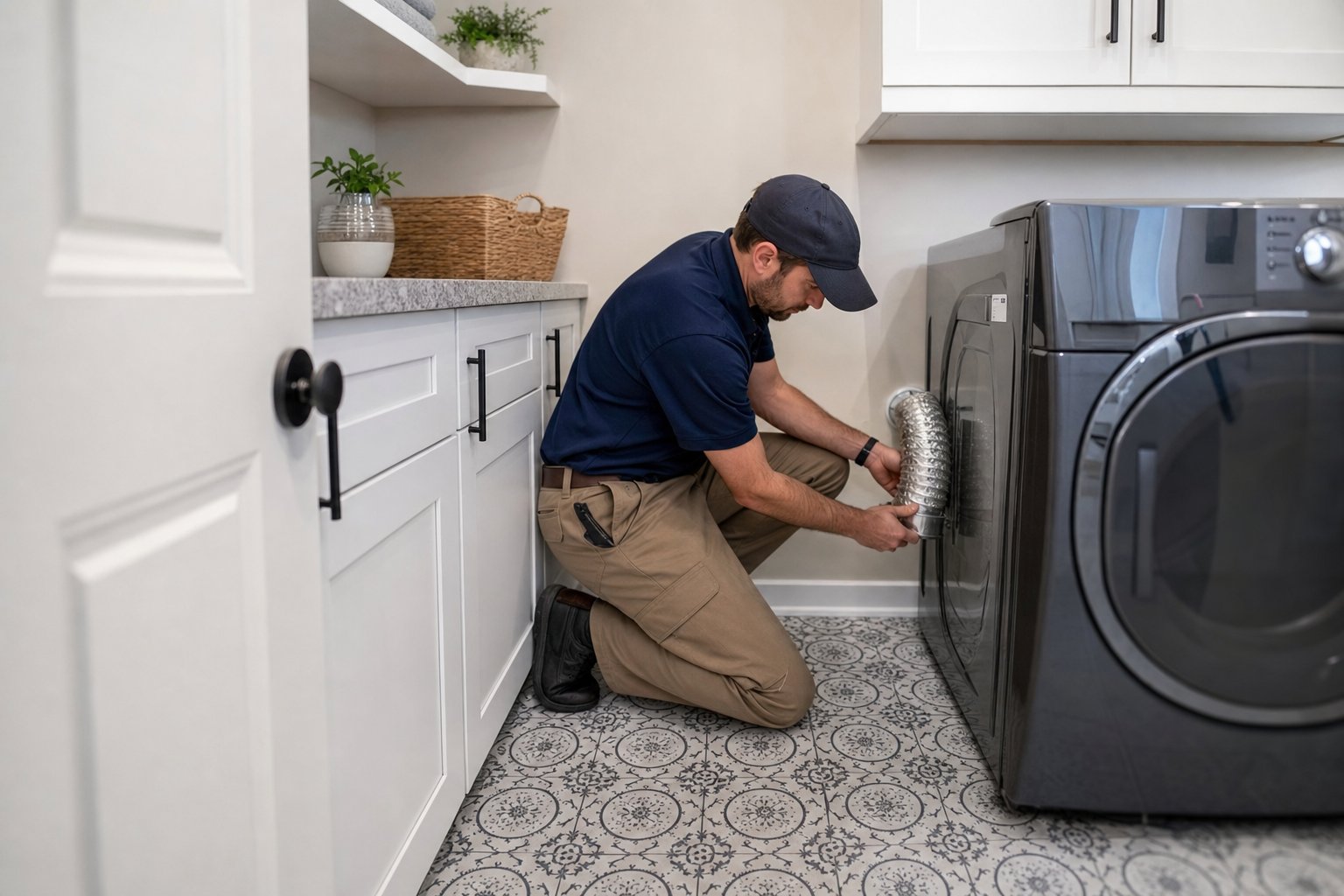
A professional can inspect the vent system, identify blockages, and remove accumulated debris using appropriate equipment.
The exact process depends on the duct design and the condition of the system. In some cases, the technician may also identify damaged ductwork, disconnected sections, crushed flexible ducts, or exterior vent problems.
Cleaning alone may not solve every issue. If the duct is damaged or improperly configured, additional repairs may be necessary.
Regular Cleaning vs. Emergency Service
Routine dryer vent cleaning is designed to prevent excessive buildup and maintain proper airflow before major symptoms develop.
Emergency cleaning is more appropriate when serious warning signs appear, such as:
- Burning odors
- Severe overheating
- Sudden loss of airflow
- Repeated dryer shutdowns
- Excessive lint accumulation
- Significant changes in drying performance
- Suspected major blockage
The best approach is to avoid reaching the emergency stage by maintaining the ventilation system regularly.
Benefits of a Clean Dryer Vent
Keeping the vent system clear can provide several practical benefits.
Better Drying Performance
Proper airflow allows moisture to leave the dryer more effectively, potentially reducing drying time.
Improved Energy Efficiency
A dryer that completes cycles efficiently may use less energy than one that must run repeatedly because of restricted airflow.
Reduced Appliance Stress
Long drying cycles can place additional wear on the appliance. Maintaining proper airflow can support normal operation.
Better Home Safety
Removing accumulated lint from the ventilation system can help reduce one potential fire hazard associated with dryer operation.
How Homeowners Can Prevent Dryer Vent Problems
Homeowners can take several simple steps to support dryer safety.
Clean the lint filter after every load. Keep the area around the appliance free of excessive lint and combustible clutter.
Make sure the dryer is properly connected to its vent system. Check the exterior vent periodically to ensure it is not blocked by lint, nests, leaves, or other debris.
Avoid running the dryer while away from home or asleep, particularly if the appliance is showing warning signs.
Follow the manufacturer’s instructions for installation, operation, and maintenance.
When Should You Call a Professional?
Professional assistance is recommended when the vent is difficult to access, airflow is severely restricted, the duct is unusually long, or warning signs such as burning odors and overheating are present.
Homeowners should also seek professional help if cleaning the lint filter does not resolve persistent drying problems.
Attempting to reach deep inside a long or complicated duct with household tools may not remove the buildup effectively. It can also damage the duct or create additional problems.
A trained professional can assess the complete ventilation pathway and determine whether cleaning, repair, or another solution is necessary.
Final Thoughts
A properly functioning dryer vent is an important part of safe and efficient laundry operation. Warning signs such as burning odors, excessive heat, longer drying cycles, poor exterior airflow, repeated shutdowns, and heavy lint accumulation should not be ignored.
Emergency dryer vent cleaning can help address serious blockages and restore airflow when immediate attention is needed. However, regular maintenance remains the best way to reduce the likelihood of major buildup and unexpected problems.
Homeowners should clean the lint filter after every load, monitor dryer performance, inspect the exterior vent, and arrange professional cleaning when necessary.
If your dryer is overheating, taking unusually long to dry clothes, or showing other signs of restricted airflow, prompt professional evaluation can help identify the cause and protect your home.
For professional dryer vent cleaning and emergency service, Green Seal Energy can help homeowners address ventilation problems and maintain safer, more efficient dryer operation.
Frequently Asked Questions
1. How do I know if my dryer vent is clogged?
Common signs include longer drying times, excessive heat, weak airflow from the exterior vent, burning odors, increased lint around the dryer, and repeated appliance shutdowns.
2. Can a clogged dryer vent cause a fire?
Yes. Lint is combustible, and restricted airflow can contribute to excessive heat buildup. Regular maintenance and proper dryer operation can help reduce this risk.
3. How often should dryer vents be cleaned?
The appropriate frequency depends on dryer usage, duct length, configuration, and other factors. Homes with frequent laundry use or long duct runs may require more frequent cleaning.
4. Should I use my dryer if it smells like it is burning?
A burning smell should be treated seriously. Stop using the dryer and arrange for professional evaluation to determine whether the issue involves the vent, appliance, electrical components, or another source.
5. Does cleaning the lint filter clean the dryer vent?
No. The lint filter captures lint from clothing, but some debris can still enter the ventilation system. The duct may require separate professional cleaning.