Heating and cooling systems are essential for maintaining indoor comfort, but many homeowners overlook one critical factor—ductwork. Leaky ducts can significantly reduce efficiency, increase energy bills, and compromise indoor air quality. Residential duct sealing is a highly effective solution that addresses these issues and ensures your HVAC system performs at its best.
In this guide, we’ll explore how duct sealing works, its benefits, and why it’s a smart investment for homeowners looking to improve comfort and efficiency.
What Is Residential Duct Sealing?
Duct sealing is the process of closing gaps, cracks, and leaks in your home’s ductwork. Over time, ducts can develop openings that allow conditioned air to escape before it reaches your living spaces.
By sealing these leaks, you ensure that air flows efficiently through your HVAC system, delivering consistent temperatures throughout your home.
Why Duct Sealing Is Important
Leaky ducts can waste a significant amount of energy. In fact, many homes lose up to 30% of conditioned air due to duct leaks. This not only increases energy consumption but also puts extra strain on your HVAC system.
Key reasons to consider duct sealing:
- Improved energy efficiency
- Lower utility bills
- Enhanced indoor comfort
- Better air quality
- Reduced HVAC wear and tear
Addressing duct issues early can prevent costly repairs and improve overall system performance.
Signs Your Home Needs Duct Sealing
Not sure if your ducts need attention? Look for these common signs:
- Uneven temperatures between rooms
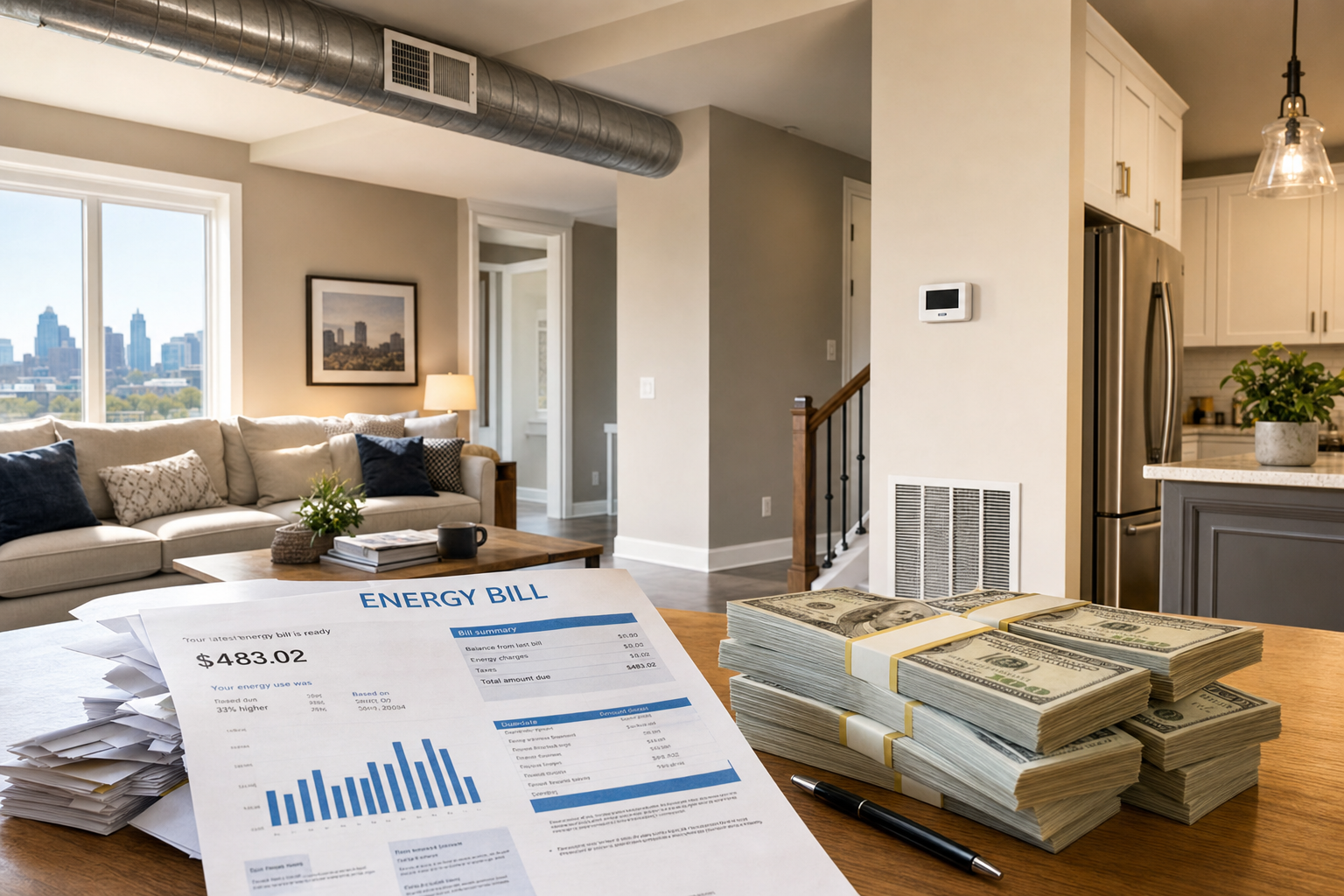
- Higher-than-normal energy bills
- Excessive dust accumulation
- Weak airflow from vents
- Strange noises in ductwork
If you notice any of these issues, it may be time to schedule a professional inspection.
Benefits of Residential Duct Sealing
Energy Savings
One of the biggest advantages of duct sealing is improved energy efficiency. By preventing air loss, your HVAC system doesn’t have to work as hard, resulting in lower energy consumption.
Enhanced Comfort
Sealed ducts ensure consistent airflow, eliminating hot and cold spots in your home. This creates a more comfortable living environment year-round.
Improved Indoor Air Quality
Leaks in ductwork can allow dust, allergens, and pollutants to enter your system. Sealing these gaps helps maintain cleaner indoor air.
Extended HVAC Lifespan
When your system operates efficiently, it experiences less strain. This can extend the lifespan of your HVAC equipment and reduce maintenance costs.
The Duct Sealing Process
Professional duct sealing involves several steps to ensure optimal results:
- Inspection: Technicians assess the condition of your ductwork.
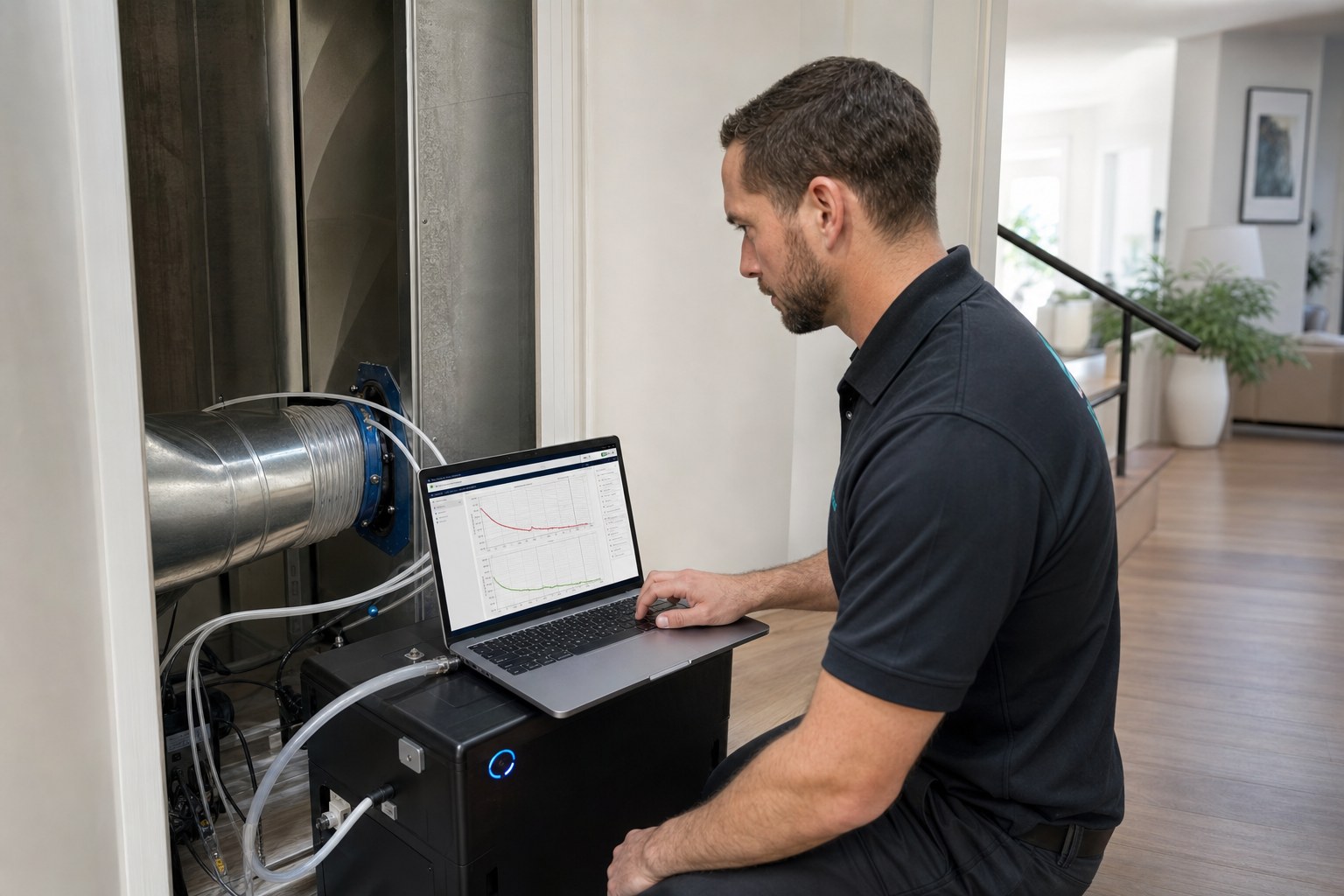
- Leak Detection: Advanced tools identify areas where air is escaping.
- Sealing: Specialized materials are used to close gaps and cracks.
- Testing: The system is tested to confirm improved efficiency.
This comprehensive approach ensures long-lasting results.
Types of Duct Sealing Methods
Manual Sealing
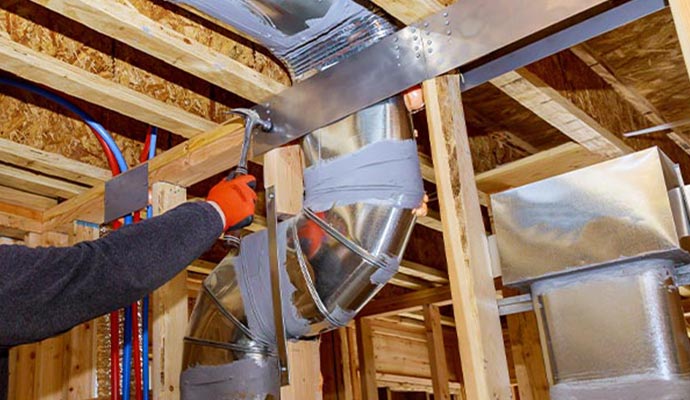
This method involves applying sealants or tape to visible leaks. It’s effective for accessible areas but may not address hidden leaks.
Aeroseal Technology
A more advanced method, Aeroseal uses a mist of sealant particles that travel through the ducts and seal leaks from the inside.
Both methods are effective, and the choice depends on your home’s specific needs.
How Duct Sealing Improves Energy Efficiency
Energy efficiency is a top priority for homeowners. Sealing ducts ensures that conditioned air reaches its intended destination without being lost along the way.
This results in:
- Reduced energy waste
- Lower monthly utility bills
- More efficient heating and cooling
- Increased home value
Investing in duct sealing is a practical step toward a more energy-efficient home.
Cost Considerations
The cost of duct sealing varies depending on factors such as:
- Size of the home
- Extent of duct damage
- Type of sealing method used
- Accessibility of ductwork
While there is an upfront cost, the long-term savings on energy bills often outweigh the initial investment.
DIY vs. Professional Duct Sealing
Some homeowners consider sealing ducts themselves, but professional services offer several advantages:
- Accurate leak detection
- High-quality materials
- Long-lasting results
- Safety and compliance
Professionals have the tools and expertise needed to ensure the job is done correctly.
Tips for Maintaining Your Duct System
To keep your ductwork in good condition:
- Schedule regular HVAC inspections
- Replace air filters regularly
- Keep vents clean and unobstructed
- Address issues promptly
Proper maintenance helps extend the benefits of duct sealing.
Environmental Benefits
Duct sealing not only saves money but also benefits the environment. By reducing energy consumption, you lower your carbon footprint and contribute to a more sustainable future.
Eco-friendly benefits include:
- Reduced greenhouse gas emissions
- Lower energy demand
- Improved resource efficiency
This makes duct sealing an environmentally responsible choice.
When to Schedule Duct Sealing
The best time to seal ducts is before peak heating or cooling seasons. This ensures your system operates efficiently when you need it most.
However, if you notice signs of duct leaks, it’s best to address them immediately.
Frequently Asked Questions (FAQs)
1. How long does duct sealing take?
Most residential duct sealing projects can be completed within a few hours, depending on the size of the home.
2. Is duct sealing worth the investment?
Yes, it can significantly reduce energy costs and improve comfort, making it a worthwhile investment.
3. How often should ducts be inspected?
It’s recommended to have your ducts inspected every 2–3 years or whenever you notice performance issues.
4. Can duct sealing improve air quality?
Yes, sealing leaks prevents dust and pollutants from entering your HVAC system.
5. Does duct sealing require replacing ductwork?
Not always. Most leaks can be sealed without replacing the entire system.
Conclusion
Residential duct sealing is a powerful way to enhance energy efficiency, improve indoor comfort, and reduce utility costs. By addressing leaks in your ductwork, you can ensure your HVAC system operates at peak performance while maintaining a healthier indoor environment.
Whether you’re dealing with uneven temperatures or rising energy bills, investing in professional duct sealing services can provide long-term benefits for your home. For reliable and efficient solutions tailored to your needs, Green Seal Energy offers expert services designed to maximize comfort and efficiency while helping you save on energy costs.