
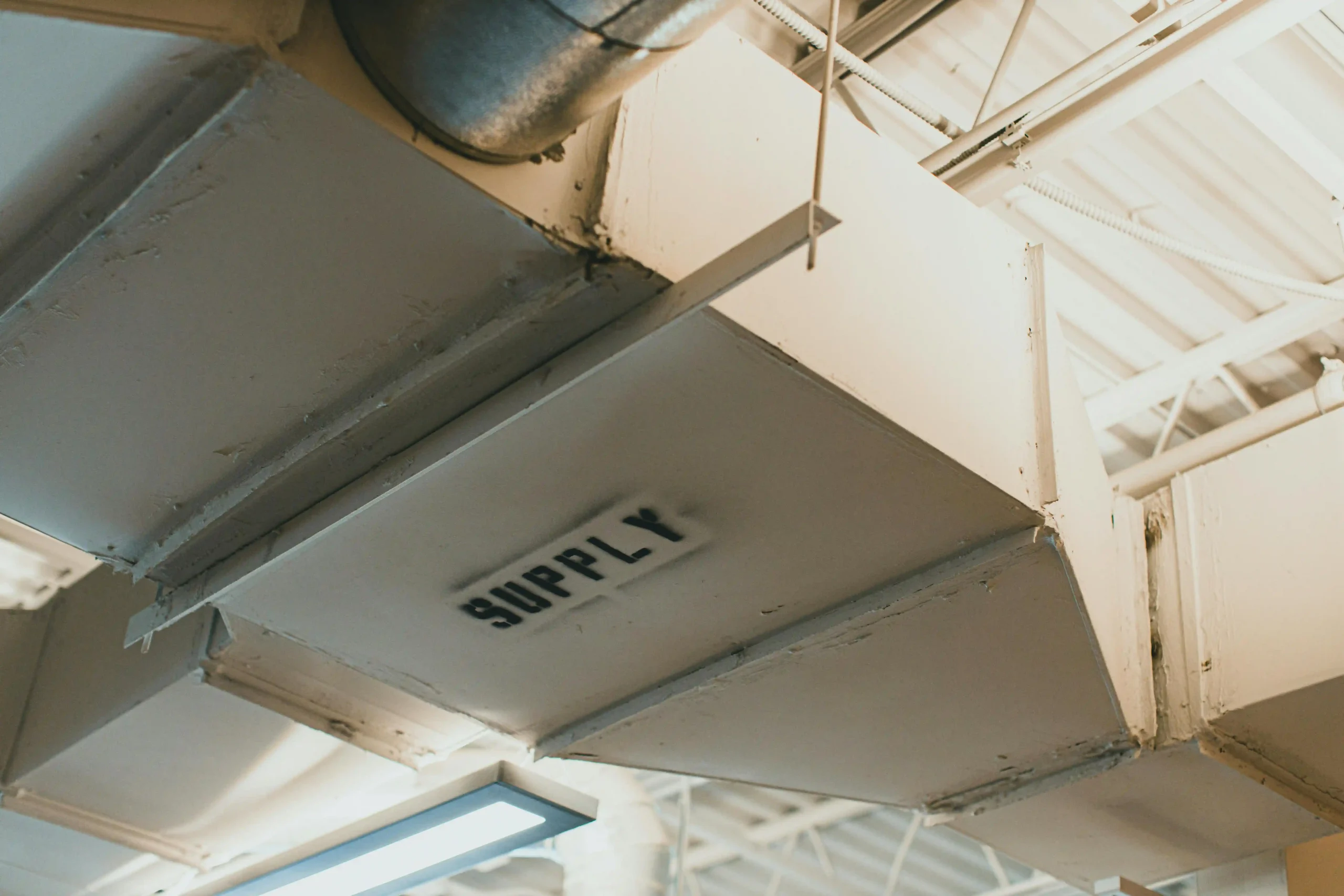
When your heating or cooling system is running but your home still feels uncomfortable, the problem may not be the HVAC unit itself. Damaged, disconnected, leaking, or poorly insulated ductwork can prevent conditioned air from reaching rooms efficiently. If you are searching for duct repair near me in Kansas City, identifying the warning signs early can help restore comfort and prevent unnecessary energy loss.
Kansas City homes experience hot summers, cold winters, and changing humidity levels throughout the year. These seasonal conditions can place significant demands on heating and cooling equipment. Because ductwork carries conditioned air throughout the home, even small problems can affect indoor comfort, air quality, and monthly utility bills.
Why Does Ductwork Need Repairs?
Duct systems can develop problems for several reasons. Age, poor installation, pests, moisture, accidental damage, and normal wear can all affect their performance.
Common ductwork problems include:
Air leaks around joints and seams
Loose or disconnected sections
Crushed or damaged flexible ducts
Poor insulation
Holes or tears
Improperly sized ducts
Blockages and restricted airflow
Excessive dust around duct connections
When these issues occur, your HVAC system may need to work harder to maintain the temperature set on your thermostat.
Signs You May Need Duct Repair
Some duct problems are easy to recognize, while others develop gradually. Knowing the warning signs can help you determine when professional inspection is appropriate.
1. Uneven Temperatures Between Rooms
If one bedroom is freezing while another room stays warm, inconsistent airflow could be contributing to the problem.
A properly functioning distribution system should deliver conditioned air effectively throughout the house. Leaks, restrictions, disconnected sections, or poor duct design can cause certain rooms to receive less air.
2. Weak Airflow From Vents
Put your hand over several supply registers while the HVAC system is operating. If airflow feels unusually weak, there may be an obstruction, leakage, or another issue within the distribution system.
Weak airflow can also originate from the HVAC equipment itself, so a professional evaluation can help identify the actual cause.
3. Higher Energy Bills
An unexpected increase in heating or cooling costs can sometimes indicate that conditioned air is escaping before it reaches your living spaces.
Leaky ducts may cause the HVAC system to run longer to maintain the desired indoor temperature. Sealing and repairing damaged sections can improve the efficiency of the overall system.
4. Excessive Dust
Have you noticed more dust accumulating around your home even though you clean regularly? Damaged ductwork or gaps in the system may contribute to unwanted air movement and contamination.
However, household dust can come from many sources, so increased dust alone does not necessarily mean your ducts need repair.
5. Strange Noises
Rattling, whistling, banging, or unusual air movement sounds may indicate loose duct sections, disconnected components, restricted airflow, or damaged materials.
Do not automatically assume that the ductwork is responsible. HVAC equipment, registers, and other components can also produce unusual sounds.
What Causes Leaking Ducts?
Air leakage is one of the most common concerns with residential duct systems.
Ducts are assembled from multiple sections connected by seams and joints. Over time, these connections can loosen or deteriorate.
Other causes include:
Aging materials
Improper installation
Vibration from HVAC equipment
Damaged insulation
Pest activity
Construction or remodeling work
Physical impact
Temperature changes
Even relatively small openings can affect system performance when they are located in areas such as attics, crawl spaces, garages, or unfinished basements.
Why Duct Sealing Matters
Duct sealing is designed to reduce unwanted air leakage from the distribution system.
Professional technicians may inspect accessible duct sections, identify problem areas, and seal appropriate joints, seams, or openings using materials designed for HVAC applications.
Duct sealing can be particularly valuable when ductwork passes through unconditioned areas. Preventing conditioned air from escaping into an attic or crawl space can help the system deliver more of its heating or cooling capacity where it is actually needed.
It is important to remember that sealing does not replace repair. A crushed, disconnected, or severely damaged section may need to be repaired or replaced rather than simply sealed.
Duct Repair vs. Duct Replacement
Not every duct problem requires complete replacement.
Minor leaks, loose connections, and damaged seams may be repairable. However, replacement may make more sense when sections are severely deteriorated, incorrectly installed, contaminated, crushed, or beyond practical repair.
A professional HVAC technician can evaluate:
The age of the duct system
Material condition
Accessibility
Leakage
Insulation
Airflow
System design
Repair costs
The goal should be to choose the most practical solution rather than automatically replacing the entire system.
Can Damaged Ducts Affect Indoor Air Quality?
Your duct system plays an important role in moving conditioned air throughout the house. If portions of the system are damaged or improperly connected, unwanted air may enter through gaps depending on the location and pressure conditions.
Duct problems can also be associated with excessive dust or debris when the system has inadequate filtration, poor maintenance, or damaged components.
Improving indoor air quality involves more than repairing ducts. HVAC filters, humidity levels, ventilation, cleaning practices, and other factors can all contribute to the air you breathe indoors.
How Professional Duct Repair Works
A professional service usually begins with an inspection.
The technician may examine accessible ductwork, registers, connections, insulation, and airflow patterns. Depending on the symptoms, additional diagnostic procedures may be recommended.
Once the problem is identified, the repair could involve:
Sealing leaking joints
Reconnecting separated sections
Repairing small damaged areas
Replacing severely damaged sections
Restoring damaged insulation
Improving connections
Addressing airflow restrictions
The exact repair depends on the condition and design of the system.
Why Kansas City Homeowners Should Pay Attention to Ductwork
Kansas City experiences significant seasonal temperature changes. Heating systems can be heavily used during cold weather, while air conditioners work hard during the summer.
Because of this, inefficient air distribution can become noticeable when outdoor temperatures reach their extremes.
Homeowners may notice that some rooms are difficult to heat during winter or cool during summer. Instead of immediately replacing the HVAC equipment, it can be worthwhile to determine whether the duct system is contributing to the issue.
A properly maintained distribution network allows the heating and cooling equipment to perform more effectively.
How to Find a Reliable Duct Repair Company
When looking for HVAC professionals, avoid choosing a company based solely on the lowest advertised price.
Look for a contractor that:
Has experience with residential duct systems
Provides clear explanations of recommended repairs
Inspects the system before proposing major work
Gives transparent estimates
Uses appropriate HVAC materials
Understands local home construction
Offers maintenance and related HVAC services
You should also ask whether the company can identify the underlying cause rather than simply treating the most obvious symptom.
For example, repeatedly sealing the same connection without addressing excessive vibration or poor installation may not provide a lasting solution.
How to Prevent Future Duct Problems
Routine HVAC maintenance can help identify duct issues before they become major problems.
Homeowners can also:
Replace HVAC filters according to manufacturer recommendations
Keep supply and return vents unobstructed
Schedule professional HVAC inspections
Watch for unusual temperature differences
Check accessible ductwork for visible damage
Keep mechanical areas clean
Address moisture problems promptly
Professional maintenance is particularly useful when ductwork is located in difficult-to-access spaces.
When Should You Call an HVAC Professional?
You should consider professional inspection if your home has persistent uneven temperatures, weak airflow, unusual duct noises, unexplained energy increases, or visible duct damage.
You should also seek help if your HVAC system seems to run continuously without adequately heating or cooling the house.
The symptoms may come from ductwork, but they can also be caused by equipment problems, thermostat issues, clogged filters, inadequate insulation, or other factors. A proper diagnosis helps prevent spending money on the wrong repair.
Final Thoughts
Reliable ductwork is an important part of an efficient heating and cooling system. Leaks, loose connections, damaged sections, and poor insulation can interfere with airflow and make it harder to maintain comfortable indoor temperatures.
If you are experiencing uneven heating or cooling, weak airflow, rising energy costs, or unusual HVAC noises, having the system professionally inspected can help identify whether ductwork is contributing to the problem.
For Kansas City homeowners looking for dependable solutions for comfort and energy efficiency, Green Seal Energy Kansas City can be a valuable resource for evaluating HVAC and ductwork concerns.
Frequently Asked Questions
1. How do I know if my air ducts need repair?
Common warning signs include uneven room temperatures, weak airflow, unusual duct noises, unexplained increases in energy costs, visible damage, and excessive dust. A professional inspection can determine whether ductwork is responsible.
2. Is duct sealing worth the cost?
Duct sealing can be worthwhile when significant air leakage is present, particularly in unconditioned areas. The potential benefit depends on the severity and location of the leaks and the overall condition of the system.
3. How long does duct repair take?
The time required depends on the type and extent of damage. A minor leak or loose connection may be repaired relatively quickly, while extensive damage or difficult-to-access ductwork can require more time.
4. Should I repair or replace damaged ductwork?
Minor leaks and connection problems can often be repaired, while severely damaged, deteriorated, or improperly installed sections may be better candidates for replacement. An inspection can help determine the most practical option.
5. Can damaged ducts increase energy bills?
Yes. Air escaping through leaks can reduce the amount of conditioned air reaching living areas, potentially causing heating and cooling equipment to operate longer. Fixing significant leakage may improve overall system efficiency.