Drafts, uneven temperatures, high energy bills, and rooms that never seem comfortable can all point to one common problem: unwanted air leakage. Even a home with adequate insulation can lose energy when outside air enters through cracks, gaps, and openings in the building envelope.
Professional air sealing is designed to locate and close these hidden pathways. By reducing uncontrolled airflow, homeowners can improve energy efficiency, increase comfort, and help their heating and cooling systems operate more effectively.
But what exactly does air sealing do, and why should homeowners consider having it professionally completed? Understanding the benefits can help you determine whether your property could benefit from this energy-saving improvement.
What Is Air Sealing?
Air sealing is the process of identifying and sealing unwanted openings in a home’s exterior envelope. These openings may occur around windows, doors, electrical outlets, plumbing penetrations, attic access points, ductwork, vents, recessed lights, and other areas where building materials meet.
Some leaks are easy to see, while others are hidden inside walls, ceilings, attics, crawl spaces, and basement areas.
Unlike insulation, which primarily slows heat transfer, air sealing focuses on controlling the movement of air. A properly sealed building envelope can help prevent conditioned indoor air from escaping and outdoor air from entering.
This makes air sealing an important part of an overall home energy efficiency strategy.
Why Does Air Leakage Matter?
Air leakage can have a noticeable impact on household comfort and energy consumption.
During winter, warm indoor air can escape through small openings while cold outdoor air enters. During summer, hot and humid air can enter the home, forcing the air conditioning system to work harder to maintain the desired temperature.
Over time, these losses can contribute to:
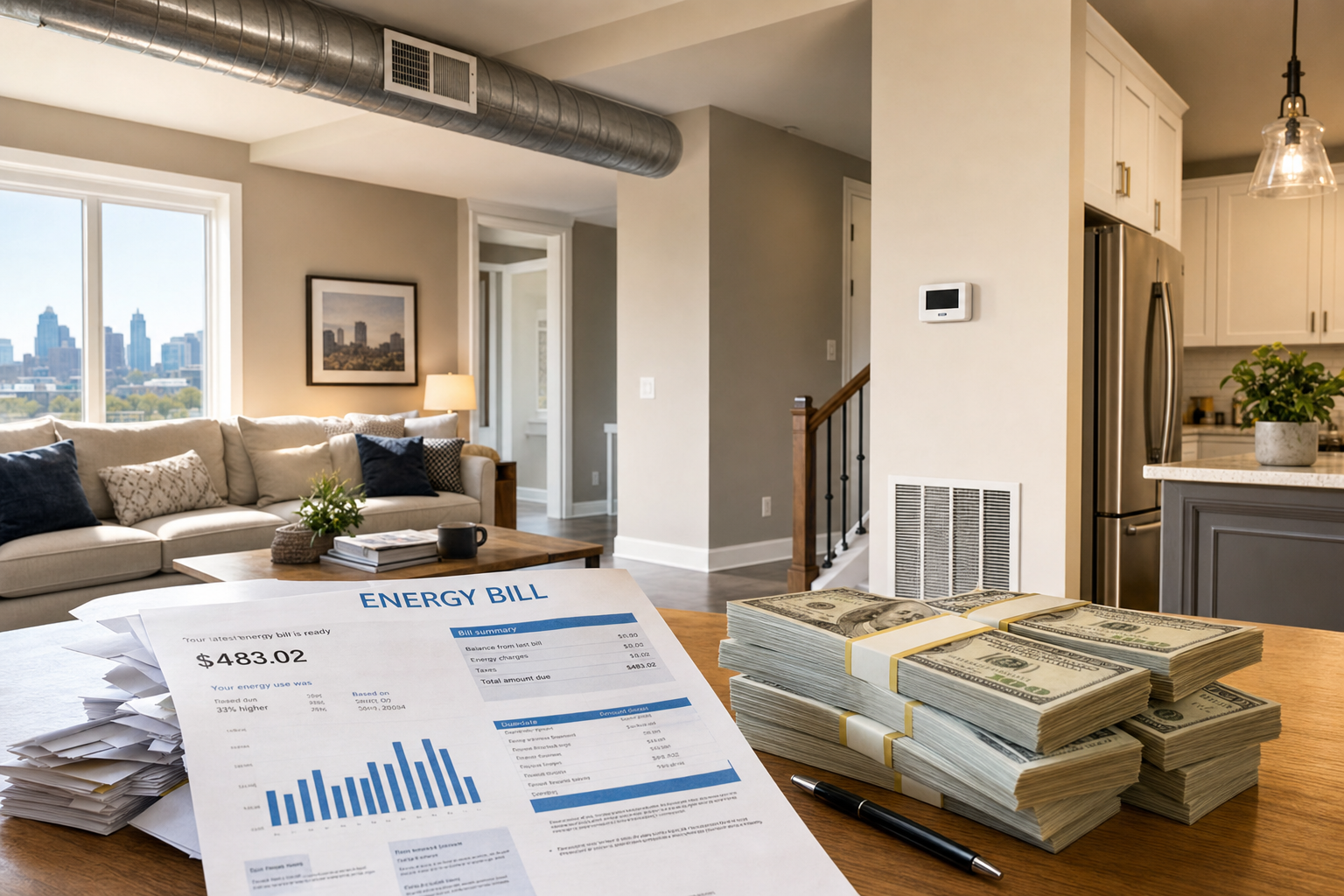
Higher heating and cooling costs
Drafty rooms
Uneven indoor temperatures
Increased HVAC workload
Uncomfortable floors and walls
Moisture-related concerns
Reduced overall energy performance
The problem is that many air leaks are located in areas homeowners rarely inspect.
1. Lower Heating and Cooling Costs
One of the biggest reasons homeowners invest in air sealing is to improve energy efficiency.
When conditioned air constantly escapes through gaps, your HVAC equipment may need to run longer to maintain the thermostat setting. Sealing these openings can reduce unnecessary air movement and help your heating and cooling equipment operate more efficiently.
Energy savings will vary depending on the home’s size, construction, existing leakage, insulation levels, weather, and HVAC system. However, reducing uncontrolled airflow can be an important step toward lowering energy waste.
For homeowners concerned about rising utility costs, an energy audit combined with targeted sealing can help identify where improvements may have the greatest impact.
2. Improve Indoor Comfort
Have you ever noticed that one room is much colder than another?
Temperature differences can sometimes result from poor insulation, ductwork problems, or air leakage.
Unwanted drafts can enter through exterior walls, attic spaces, crawl spaces, windows, doors, and penetrations around utilities. These leaks can make certain areas feel uncomfortable even when the thermostat shows the desired temperature.
Sealing problematic areas can create a more consistent indoor environment.
This is particularly useful in older homes, where construction materials may have shifted or deteriorated over time.
3. Reduce Drafts
Drafts are one of the most obvious signs that a building envelope may have leakage.
Cold air entering around a window or exterior wall can make a room uncomfortable. In summer, warm outdoor air can create the opposite problem.
A professional inspection can identify areas that may not be obvious during a simple visual check.
Technicians may examine common leakage locations such as:
Attic penetrations
Plumbing openings
Electrical wiring penetrations
Window and door frames
Baseboards
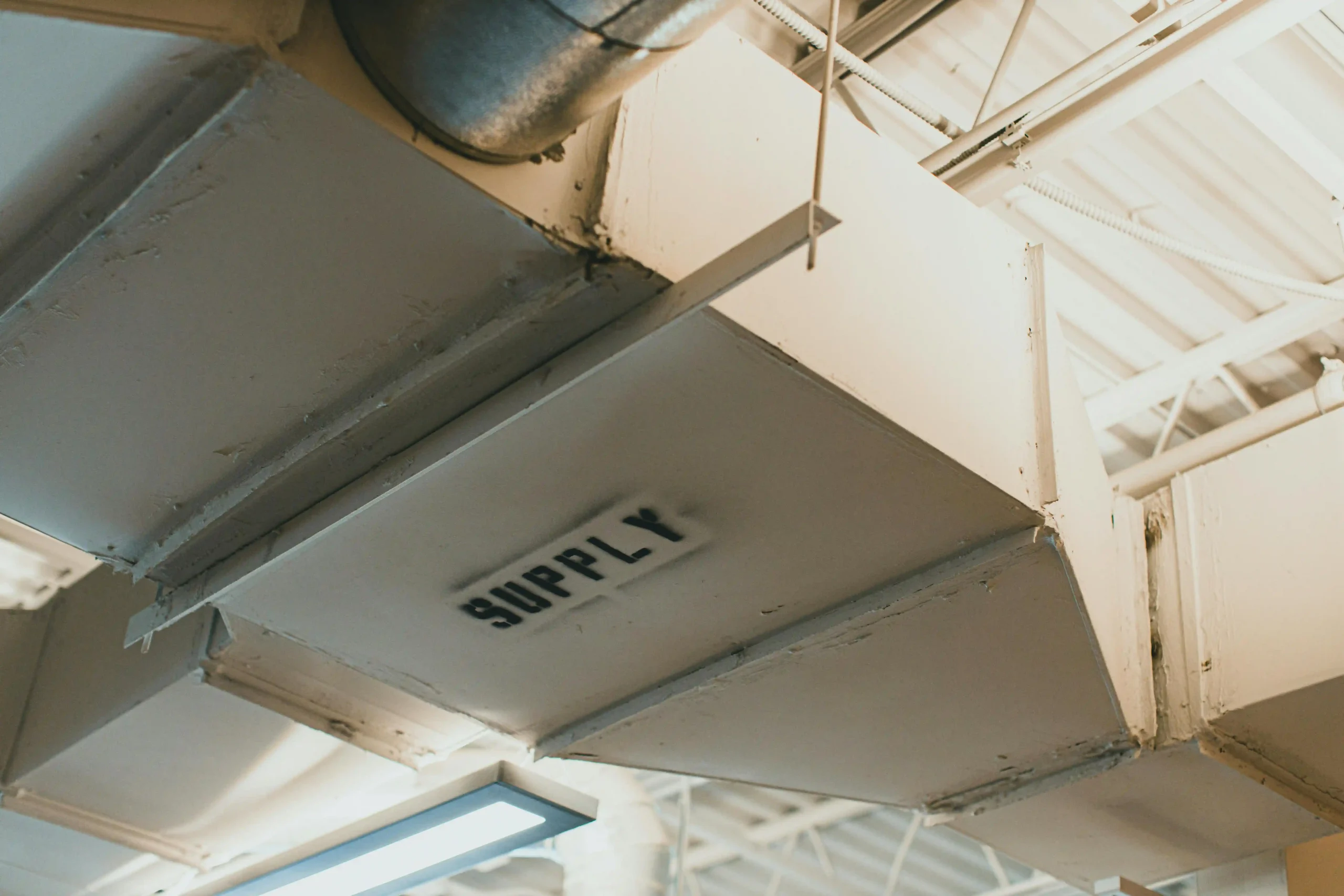
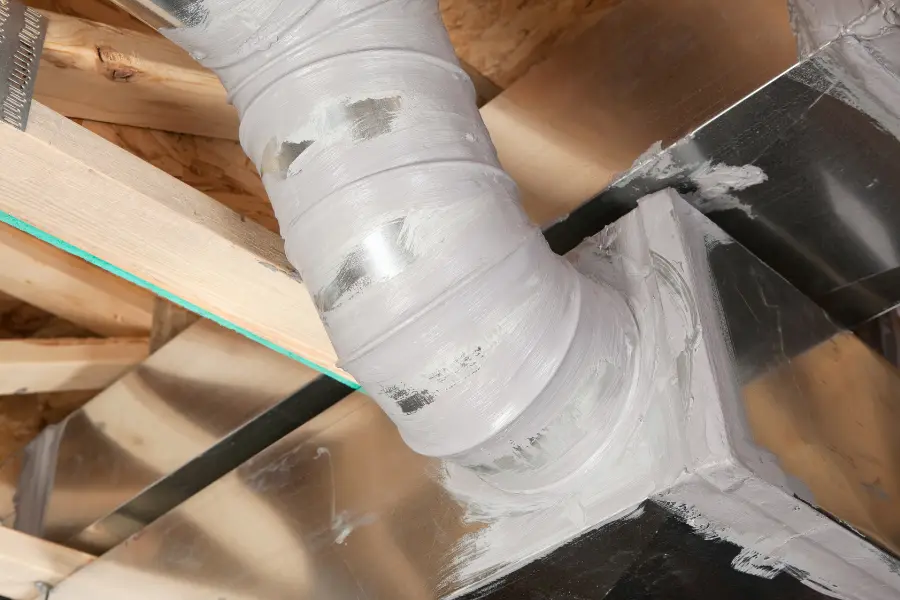
Duct connections
Chimney areas
Recessed lighting
Attic hatches
Basement rim joists
Once the problem areas are identified, suitable sealing materials and techniques can be used.
4. Help Your HVAC System Work More Efficiently
Your heating and cooling equipment is responsible for maintaining indoor temperature, but it cannot compensate efficiently for unlimited air leakage.
When conditioned air escapes and outdoor air enters, the system may cycle more frequently or operate for longer periods.
Improving the building envelope can reduce the amount of work required to maintain comfortable indoor conditions.
This does not mean air sealing can replace HVAC maintenance or equipment upgrades. Instead, it complements those efforts by addressing energy loss caused by uncontrolled airflow.
5. Improve Energy Efficiency
Homeowners often focus on insulation when thinking about energy efficiency, but insulation and air sealing serve different purposes.
Insulation slows heat movement, while sealing reduces unwanted air movement.
Combining the two can produce a more effective building envelope. For example, adding insulation to an attic without addressing significant air leaks can leave important pathways for conditioned air to escape.
This is why professionals often recommend addressing air leakage before or alongside insulation improvements.
6. Reduce Outdoor Pollutants and Dust
Uncontrolled outdoor airflow can bring more than temperature changes into your home.
Depending on the location and condition of the openings, outside air may carry dust, pollen, odors, and other airborne particles.
Reducing unnecessary infiltration can help improve the overall indoor environment.
Air sealing is not a substitute for proper ventilation or air filtration, however. Homes still need an appropriate supply of fresh air. A well-designed approach balances controlled ventilation with reduced unwanted leakage.
7. Help Manage Moisture
Air movement can also transport moisture.
Warm, humid air entering a cooler building assembly can potentially contribute to condensation under certain conditions. Moisture problems can become more serious when they remain hidden inside walls, attics, or other enclosed spaces.
Sealing appropriate openings can reduce uncontrolled movement of humid air.
However, homeowners should remember that air sealing does not solve every moisture problem. Plumbing leaks, roof leaks, drainage problems, and foundation water intrusion require separate solutions.
8. Increase Year-Round Comfort
A properly sealed home can feel more comfortable throughout the year.
In colder weather, reducing drafts can help rooms stay warmer. During hot weather, limiting the entry of outdoor heat and humidity can help indoor spaces remain more comfortable.
The result can be a home with fewer noticeable temperature fluctuations.
This is particularly valuable for homeowners who frequently adjust their thermostat because certain rooms never seem to reach the desired temperature.
9. Identify Hidden Energy Loss
Professional work can uncover problems that are difficult for homeowners to locate on their own.
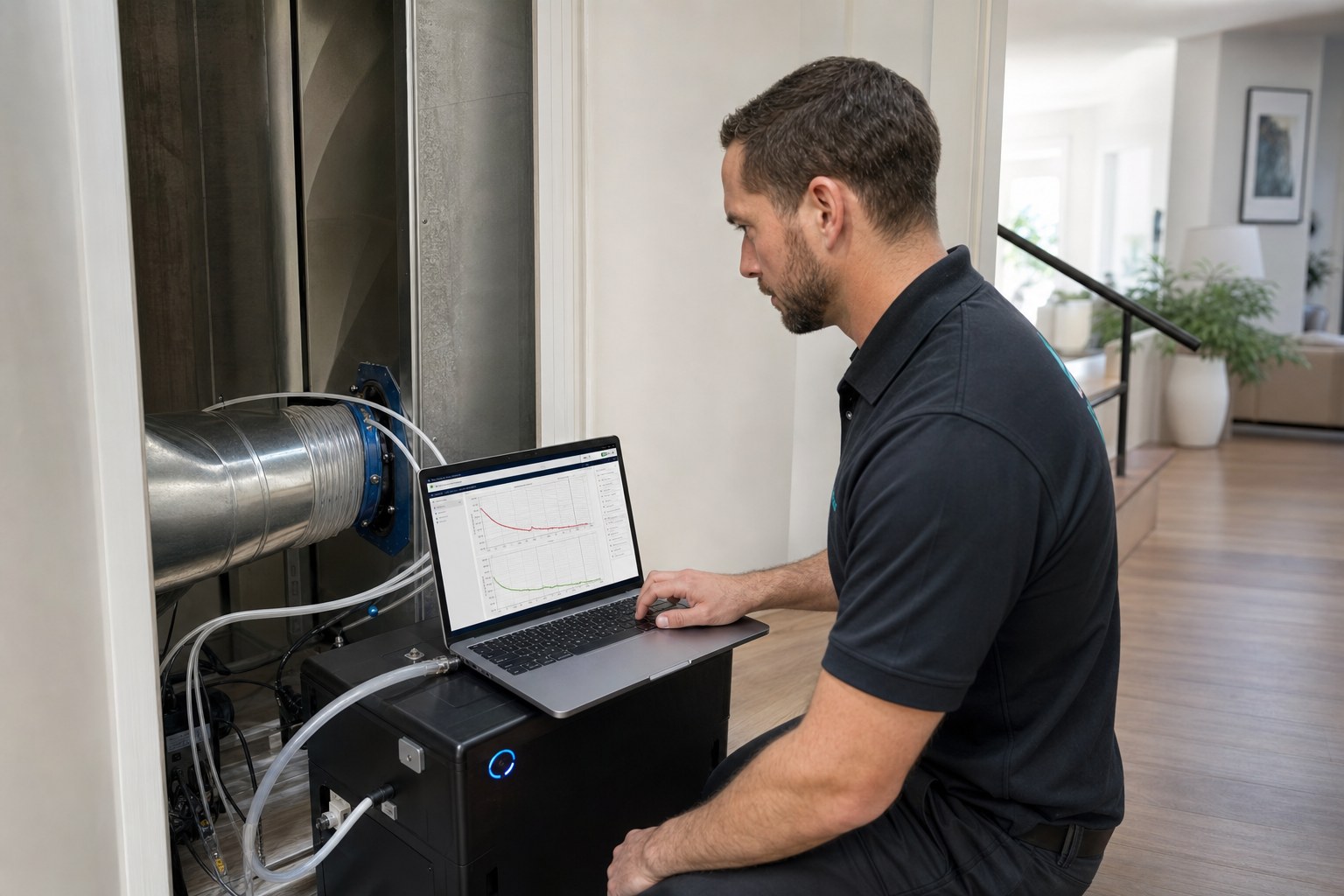
A qualified technician may use diagnostic tools such as blower door testing or infrared imaging to identify areas where air is moving through the building envelope.
These techniques can provide a clearer picture of how a home performs and where improvements may be needed.
Instead of sealing every visible crack without a plan, homeowners can focus on areas that contribute significantly to energy loss.
10. Support a More Efficient Home Improvement Plan
Air sealing can be particularly valuable when combined with other energy-saving upgrades.
A homeowner might address:
Air leakage
Attic insulation
Wall insulation
Basement insulation
Ductwork
Windows and doors
HVAC efficiency
Ventilation
The order of improvements matters. A professional evaluation can help prioritize projects based on the property’s condition and the homeowner’s goals.
Rather than spending money on upgrades that provide limited benefits, targeted improvements can address the most significant sources of energy waste first.
Signs Your Home May Need Air Sealing
You may want to investigate air leakage if you notice:
Persistent drafts
High utility bills
Cold floors during winter
Rooms with inconsistent temperatures
Excessive dust
Drafts around windows or doors
An attic with visible penetrations
HVAC systems that run for extended periods
Large temperature differences between floors
These signs do not automatically mean air leakage is the cause. A professional assessment can help determine what is actually happening.
Why Choose Professional Air Sealing?
DIY caulking and weatherstripping can address some minor leaks, but larger or hidden leakage pathways may require specialized knowledge.
Professionals can assess the building envelope, identify high-priority areas, select appropriate materials, and perform sealing work safely.
This is especially important around attics, combustion appliances, electrical components, recessed lights, chimneys, and other areas where incorrect sealing could create safety or ventilation issues.
A professional approach focuses on the entire system rather than simply sealing the easiest visible gaps.
Frequently Asked Questions
1. How do I know if my home needs air sealing?
Common signs include drafts, high energy bills, uneven temperatures, and rooms that remain uncomfortable despite proper thermostat settings. A professional energy assessment can help confirm whether leakage is contributing to the problem.
2. Does air sealing really save money?
It can reduce energy waste caused by uncontrolled airflow and may help heating and cooling equipment operate more efficiently. Actual savings depend on the home’s existing condition, climate, HVAC system, and amount of leakage.
3. Should I seal my home before adding insulation?
In many situations, addressing significant air leaks before adding insulation is beneficial. Sealing leakage pathways can help prevent conditioned air from escaping through areas that may later be covered by insulation.
4. How long does professional air sealing take?
The timeframe depends on the home’s size, construction, number of leakage points, accessibility, and scope of work. A professional assessment can provide a more accurate estimate for your property.
5. Can air sealing improve indoor comfort?
Yes. Reducing unwanted drafts and uncontrolled outdoor air infiltration can help create more consistent temperatures throughout the home. It can be especially helpful in rooms affected by noticeable drafts or temperature differences.
Conclusion
Professional air sealing can be an effective way to improve home energy efficiency, reduce drafts, support more consistent indoor temperatures, and help heating and cooling equipment perform more efficiently. The biggest advantage comes from identifying the right leakage points rather than simply sealing visible cracks.
When combined with proper insulation, ventilation, HVAC maintenance, and other energy improvements, air sealing can contribute to a more comfortable and efficient home. For homeowners looking for professional guidance and practical energy-saving solutions, Green Seal Energy Kansas City can be a valuable resource for improving the performance of your home.