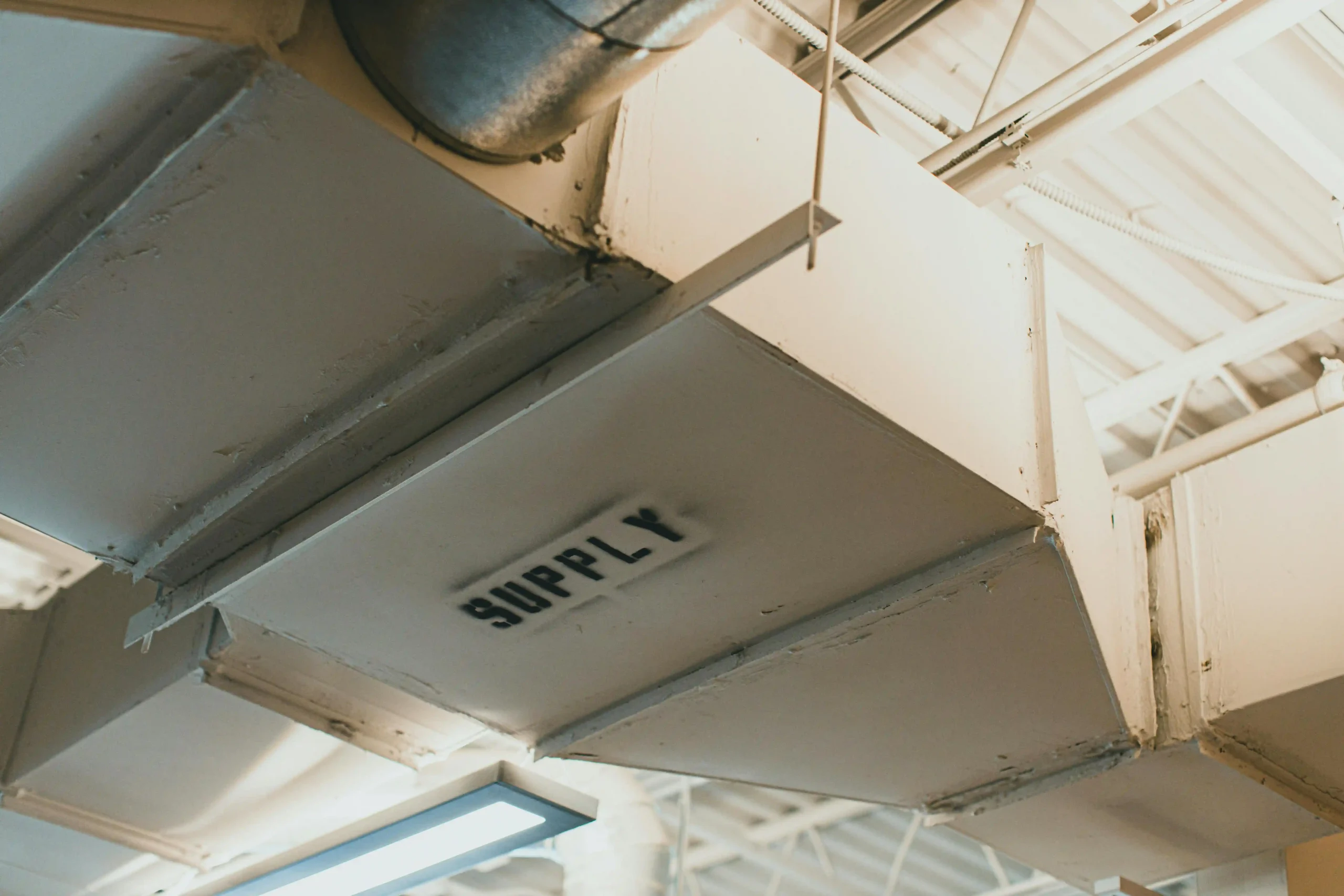

Your heating and cooling system can only perform as efficiently as the ductwork that carries conditioned air throughout your home or building. If ducts are poorly insulated, damaged, or located in unconditioned areas such as attics, crawl spaces, garages, or basements, heated and cooled air can lose energy before reaching the rooms where it is needed.
Duct insulation is designed to reduce unwanted heat transfer and help maintain more consistent indoor temperatures. For homeowners considering this improvement, one of the first questions is often: How much does it cost to insulate HVAC ducts?
The answer depends on several factors, including the size of the duct system, insulation material, accessibility, existing duct condition, labor requirements, and whether repairs are needed before insulation is installed.
Understanding these factors can help you make a more informed decision and determine whether duct insulation is a worthwhile home improvement.
What Is HVAC Duct Insulation?
HVAC duct insulation is a protective layer installed around heating and cooling ducts to reduce heat transfer between the duct surface and surrounding areas.
When ductwork passes through an unconditioned space, temperatures around the ducts can be significantly different from the air inside them. Without adequate insulation, conditioned air can lose some of its heating or cooling effect before reaching the living space.
Insulation helps reduce this transfer and can support better HVAC performance.
The appropriate insulation type depends on the duct design, location, climate, building requirements, and existing conditions.
What Is the Average Cost to Insulate HVAC Ducts?
There is no single price that applies to every property. HVAC duct insulation costs can vary considerably depending on the project’s scope.
Factors that can influence the total include:
- Total duct length
- Duct diameter and shape
- Type of insulation selected
- Insulation thickness
- Accessibility
- Condition of existing ductwork
- Labor requirements
- Location of the duct system
- Amount of preparation required
- Whether damaged sections need repair
- Local installation requirements
A small, accessible duct system may cost significantly less to insulate than a large system located in a difficult-to-reach attic or crawl space.
The best way to determine the actual cost is to have the ductwork inspected and receive a project-specific estimate.
1. Duct Size and Length Affect the Price
The amount of material and labor required naturally increases as the size of the duct system increases.
A small residential HVAC system with short duct runs may require less insulation than a large home with extensive ductwork.
Larger ducts may also require more insulation material around their surfaces.
When evaluating an estimate, homeowners should consider the complete scope rather than focusing only on a per-foot price.
2. The Type of Insulation Makes a Difference
Different insulation materials are available for HVAC applications. Common options can include fiberglass, foam-based products, and flexible duct insulation systems.
Each material has different characteristics related to thermal performance, installation, durability, moisture resistance, and cost.
The best option depends on the location and condition of the ductwork.
For example, ducts located in an attic may have different requirements from ducts installed inside conditioned living areas.
A professional can recommend a suitable material based on the application.
3. Accessibility Can Increase Installation Costs
Ducts that are easy to reach are generally simpler to work on than systems located in cramped or difficult areas.
Attics, crawl spaces, tight mechanical areas, and enclosed sections may require additional preparation and labor.
If technicians need to work around existing insulation, framing, wiring, plumbing, or other obstacles, installation may take longer.
Although accessibility can affect the project price, properly insulating difficult-to-reach ductwork can still be valuable when those ducts are exposed to extreme temperatures.
4. Damaged Ductwork May Need Repair First
Insulation cannot correct every duct problem.
If ducts have holes, disconnected joints, damaged seams, crushed sections, or significant air leakage, repairs or sealing may be needed before insulation is installed.
Air leakage can allow conditioned air to escape from the system, reducing efficiency and potentially affecting comfort.
A professional evaluation can determine whether the system needs duct sealing, repairs, insulation, or a combination of services.
Addressing problems underneath the insulation is important because covering damaged areas without correcting them can make future inspection more difficult.
5. Location of the Ducts Matters
The location of ductwork plays a major role in determining whether insulation is particularly useful.
Ducts running through conditioned areas generally experience less temperature difference than ducts located in unconditioned spaces.
Attics can become extremely hot during summer, while crawl spaces and other areas can experience significant temperature changes.
In these situations, insulation can help reduce the amount of energy lost through the duct surface.
A professional can identify which sections of the system would benefit most from additional insulation.
Benefits of Insulating HVAC Ducts
The primary goal of duct insulation is to reduce unwanted heat transfer, but homeowners may notice several other benefits.
Better Temperature Consistency
When conditioned air maintains its temperature more effectively while traveling through the system, rooms may experience more consistent heating and cooling.
This can be especially useful when ductwork travels through areas that are much hotter or colder than the living space.
Improved HVAC Efficiency
Reducing heat transfer can help the HVAC system deliver conditioned air more effectively.
However, insulation is only one part of overall HVAC performance. Air sealing, equipment condition, proper sizing, airflow, filters, and maintenance can also influence efficiency.
Increased Comfort
Uneven temperatures between rooms can be frustrating. While insulation will not solve every airflow problem, properly insulated ductwork can support more effective temperature control.
Reduced Condensation Risk
Cold ducts in humid environments can sometimes develop condensation. Proper insulation can help keep the duct surface warmer than the surrounding air’s dew point, reducing the potential for moisture formation.
Moisture management is particularly important because persistent condensation can contribute to material damage or indoor air quality concerns.
Signs Your Ducts May Need Insulation
Homeowners may benefit from inspecting ductwork if they notice:
- Rooms that are difficult to heat or cool
- Large temperature differences between rooms
- High energy bills
- Ducts located in unconditioned spaces
- Visible condensation around duct surfaces
- Damaged or deteriorating insulation
- HVAC systems running for long periods
- Unusual temperature changes along duct runs
These symptoms can have multiple causes, so they should not automatically be attributed to inadequate insulation.
A professional HVAC assessment can help determine whether duct insulation is part of the solution.
Duct Insulation vs. Duct Sealing
It is important to understand the difference between these two services.
Duct insulation reduces heat transfer through the duct walls.
Duct sealing helps reduce air leakage from joints, seams, cracks, and connections.
A duct system may need one service or both.
For example, adding insulation to a leaky duct will not stop conditioned air from escaping through gaps. Likewise, sealing leaks does not necessarily provide enough thermal protection when ducts run through very hot or cold spaces.
Combining the two when appropriate can improve overall duct performance.
How to Save Money on Duct Insulation
Homeowners can potentially manage project costs by addressing the most important areas first.
Start with ducts located in unconditioned spaces where temperature differences are greatest. Ask the contractor to identify areas with damaged insulation or significant air leakage.
It can also be helpful to address duct repairs and insulation together rather than completing separate projects later.
Regular HVAC maintenance can further support system performance. Replace filters as recommended, keep vents clear, and have equipment professionally serviced when necessary.
Is HVAC Duct Insulation Worth the Cost?
For many properties, improving duct insulation can be a worthwhile investment, particularly when ductwork passes through unconditioned spaces or existing insulation has deteriorated.
However, the return on investment depends on the property’s conditions.
If ducts are already properly insulated and sealed, additional insulation may provide limited benefits. If the system has significant leakage or damaged components, those issues may deserve priority.
A professional assessment can help determine whether the expected benefits justify the project cost.
Choosing the Right HVAC Professional
When comparing contractors, look beyond the lowest estimate. Ask whether the inspection includes the condition of the ductwork, existing insulation, air leakage, accessibility, and other relevant factors.
A detailed estimate should explain the recommended materials, areas to be insulated, repairs required, labor, and expected project scope.
Professional installation is important because poorly installed insulation may leave gaps or compress the material, reducing its effectiveness.
Final Thoughts
The cost of insulating HVAC ducts depends on the size and layout of the duct system, insulation material, accessibility, duct condition, and amount of labor involved. There is no universal price because every home and HVAC system has different requirements.
For homeowners, the best starting point is a professional inspection. This can determine whether the system needs insulation, duct sealing, repairs, or a combination of improvements.
Properly insulated and sealed ductwork can help reduce heat transfer, improve comfort, support HVAC efficiency, and reduce condensation risks in appropriate applications. Addressing duct problems as part of a broader energy-efficiency strategy can also help homeowners get greater value from their heating and cooling systems.
For professional duct insulation, repair, and energy-efficiency solutions, Green Seal Energy can help homeowners evaluate their HVAC ductwork and determine the appropriate improvements.
Frequently Asked Questions
1. How much does it cost to insulate HVAC ducts?
The cost varies based on duct size, length, insulation material, accessibility, existing condition, and labor. A professional inspection is the best way to obtain an accurate project estimate.
2. Does insulating ductwork reduce energy bills?
It can help reduce heat transfer from ducts located in unconditioned areas, which may improve overall system efficiency. Actual savings depend on the home’s HVAC system and existing conditions.
3. Should ducts be sealed before insulation?
If the ductwork has significant air leaks, sealing those areas before insulating is generally important. Insulation and sealing address different performance issues.
4. What type of insulation is best for HVAC ducts?
The appropriate material depends on duct location, system design, climate, moisture conditions, and installation requirements. A qualified professional can recommend the right option.
5. How do I know if my HVAC ducts need insulation?
Signs can include uneven room temperatures, visible condensation, deteriorated insulation, high energy costs, and ductwork located in unconditioned spaces. A professional evaluation can identify the cause.