
It started with a simple problem.
A homeowner in Kansas City noticed that some rooms in the house always seemed warmer than others during the summer. The air conditioner was running regularly, but the upstairs still felt uncomfortable. There was also a musty smell coming from the attic.
At first, the homeowner assumed the problem was the insulation. After all, the attic had plenty of it. But when the attic was inspected, another issue became clear—the insulation was blocking the airflow around the soffit vents.
The attic simply wasn’t getting enough fresh air.
This is a common issue in homes where insulation has been installed without maintaining a clear ventilation pathway. And that’s where attic baffle, can make a surprisingly important difference.
The Problem Above the Ceiling
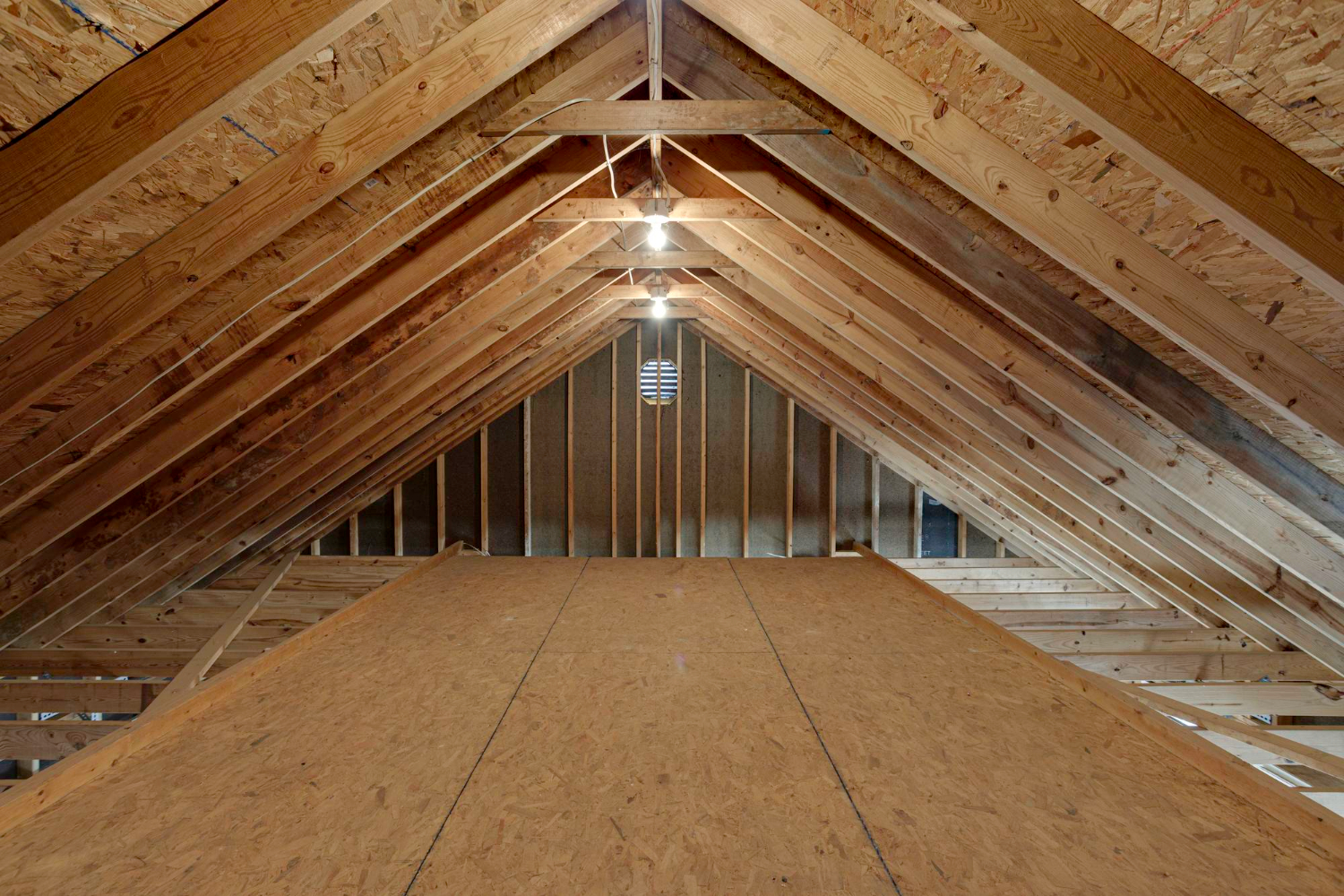
During a hot Kansas City summer, an attic can become extremely warm. Without proper ventilation, that heat can remain trapped beneath the roof.
At the same time, moisture from inside the home can find its way into the attic through small gaps, penetrations, duct openings, and other areas. When warm, humid air meets cooler roof surfaces, condensation can develop.
Over time, this moisture can create an environment where mold and mildew may grow and where wood components can begin to deteriorate.
The homeowner’s attic had another problem. The soffit vents were designed to bring fresh outdoor air into the attic, but insulation had been pushed into the ventilation openings.
The vents were there—but the airflow pathway was restricted.
A Small Solution With an Important Purpose
The solution involved creating a clear channel between the soffit vents and the attic.
That’s the job of an attic baffle, sometimes called a ventilation chute.
An attic baffle is installed along the underside of the roof near the eaves. It keeps insulation away from the soffit opening and creates a dedicated passage for air.
Once installed correctly, cool outdoor air can enter through the soffits and travel through the attic. Warm and humid air can then move toward the home’s exhaust vents.
It’s a simple concept: air needs a clear path to move.
Without that path, even a well-insulated attic may not perform as effectively as it should.
Why This Matters in Kansas City
Kansas City homes experience everything from hot, humid summers to cold winter temperatures. These seasonal changes can put pressure on the home’s attic ventilation system.
In summer, trapped attic heat can increase the heat transferred into the living space. In winter, temperature differences can increase the possibility of condensation when warm indoor air reaches cold attic surfaces.
Proper ventilation helps the attic manage both heat and moisture.
That doesn’t mean attic baffles solve every attic or energy problem. They are one part of a larger system that can include insulation, air sealing, soffit vents, ridge vents, ductwork, and HVAC equipment.
But keeping the intake airflow pathway open is an important place to start.
More Than Just Moving Air
As the homeowner’s attic ventilation improved, the goal wasn’t simply to make the attic “breathe.” It was to create a healthier and more balanced environment.
Better airflow can help reduce stagnant, humid air and support moisture management. Proper ventilation can also help insulation perform as intended by preventing the ventilation channels from becoming blocked.
This is why attic ventilation should be considered alongside insulation and air sealing rather than treated as a completely separate issue.
If warm, conditioned air is leaking into the attic, ventilation alone may not address the underlying problem. Likewise, adding more insulation without maintaining proper airflow can create new ventilation problems.
A home’s components need to work together.
Looking at the Whole Home
For homeowners in Kansas City, Overland Park, Olathe, Shawnee, Lee’s Summit, Lenexa, and nearby communities, attic problems can sometimes be symptoms of larger home-performance issues.
Uneven temperatures, high energy bills, excessive attic heat, moisture, or rooms that never seem comfortable may have several possible causes.
That’s why Green Seal Energy takes a whole-home approach.
Instead of simply treating the visible symptom, a professional evaluation can help identify where air is leaking, how the insulation is performing, whether the ductwork is losing conditioned air, and whether the home’s HVAC system is operating efficiently.
Sometimes the answer is better ventilation. Sometimes it is air sealing or duct improvements. And sometimes several improvements need to work together.
A Better Attic Starts With Better Airflow
The homeowner’s attic didn’t need a complicated solution. It needed a clear path for air to move.
Attic baffles helped maintain that pathway by keeping insulation away from the soffit vents. Combined with proper exhaust ventilation, insulation, and air sealing, they can become an important part of a better-performing attic.
For homeowners, the lesson is simple: don’t overlook the space above your ceiling.
Your attic can have a major impact on comfort, moisture, and energy efficiency throughout the home.
If your Kansas City home has hot rooms, high energy bills, attic moisture, condensation, or poor airflow, it may be worth having the entire system evaluated.
Ready to Find Out What’s Happening in Your Attic?
Green Seal Energy helps homeowners throughout the Kansas City metro identify the hidden issues that can affect comfort and energy efficiency.
Schedule a free home comfort evaluation today and find out whether attic ventilation, air sealing, insulation, ductwork, or HVAC improvements could help your home perform better.
Call Green Seal Energy at (816) 200-0129 or contact the team to get started.