Heating and cooling account for a significant portion of a home’s energy consumption. While many homeowners invest in high-efficiency HVAC systems, they often overlook one of the most important components of indoor comfort—the ductwork. Poorly insulated air ducts can waste conditioned air before it even reaches your living spaces, resulting in higher utility bills, uneven temperatures, and unnecessary strain on your HVAC equipment.
Professional duct insulation services help solve these problems by reducing energy loss, improving airflow, and maintaining consistent indoor temperatures throughout the year. Whether you’re upgrading an older home, improving energy efficiency, or addressing rising utility costs, properly insulated ductwork is a smart long-term investment.
This guide explains how duct insulation works, why it’s important, and how professional installation can help you save money while creating a healthier, more comfortable home.
What Is Duct Insulation?
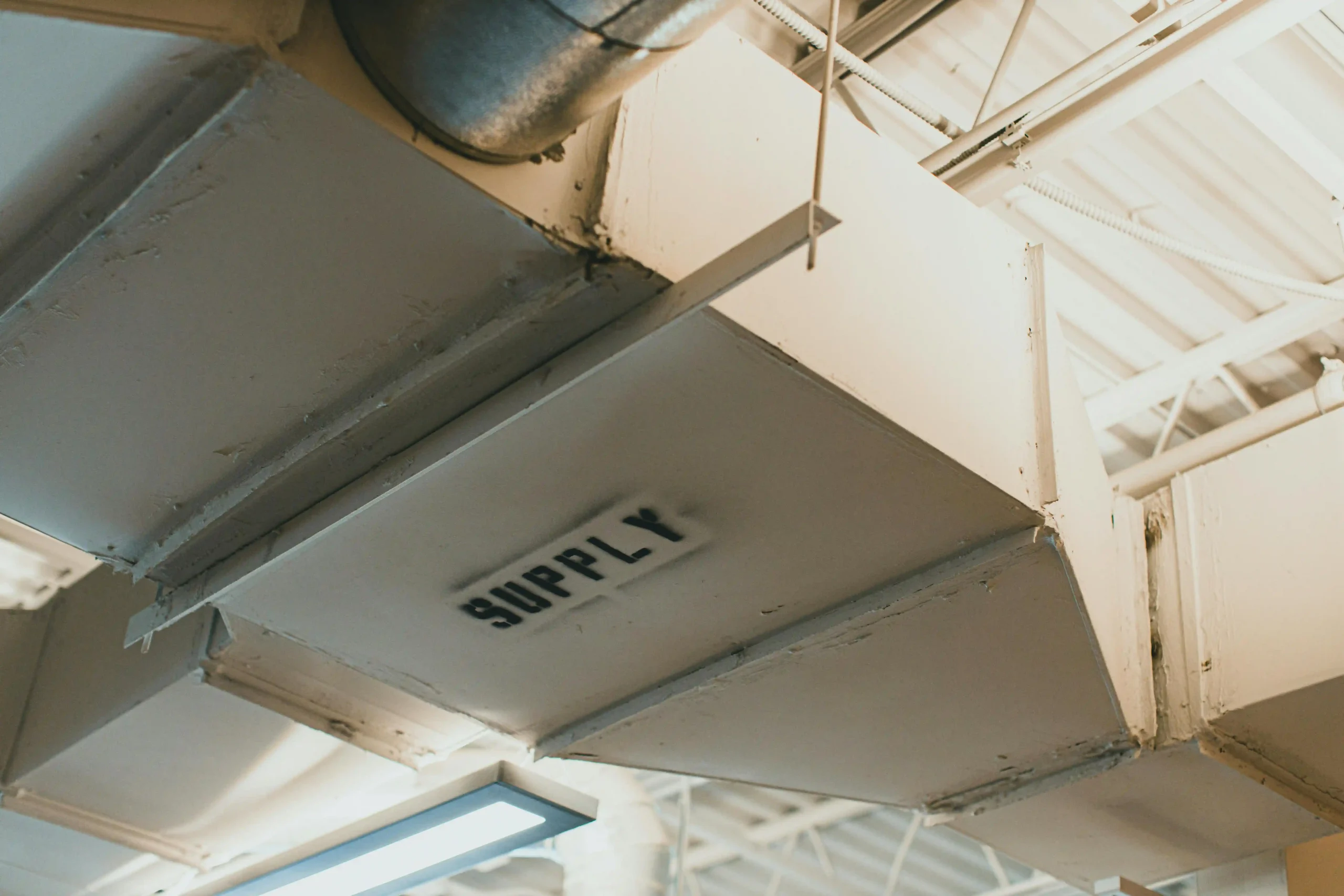
Your HVAC system distributes heated or cooled air through a network of ducts located in attics, crawl spaces, basements, or walls.
Without proper insulation, these ducts are exposed to outside temperatures, causing conditioned air to lose heat during winter or absorb heat during summer before reaching your rooms.
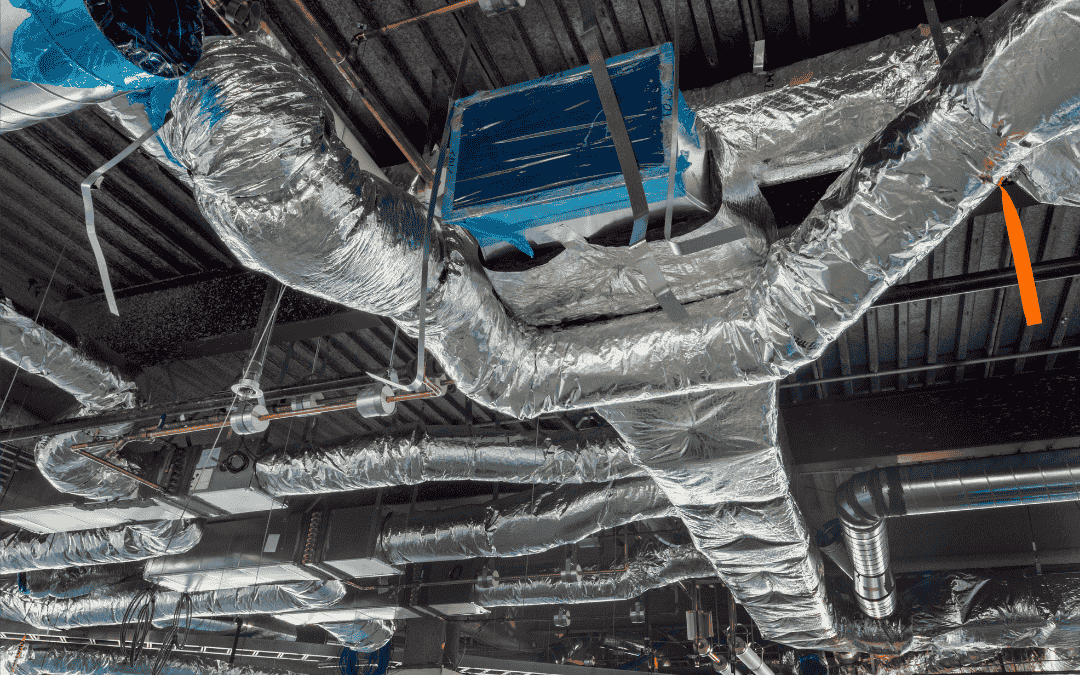
Duct insulation adds a protective layer around the ductwork, helping maintain the desired air temperature as it travels through your home.
Why Proper Duct Insulation Matters
Even the most efficient heating and cooling system cannot perform well if conditioned air escapes before reaching its destination.
Insulated ductwork helps:
- Reduce energy waste
- Improve indoor comfort
- Lower heating and cooling costs
- Increase HVAC efficiency
- Extend equipment lifespan
- Improve indoor air quality
- Reduce condensation
- Minimize noise from airflow
Small improvements in duct performance can lead to noticeable savings over time.
Signs Your Home Needs Duct Insulation
Many homeowners don’t realize their ductwork is underperforming.
Watch for these warning signs:
- Uneven room temperatures
- High energy bills
- Weak airflow
- Excessive HVAC runtime
- Hot or cold spots
- Condensation on ducts
- Noisy ductwork
- Dust accumulation
- Aging insulation
- HVAC system working harder than usual
If you notice several of these issues, professional inspection is recommended.
Benefits of Professional Duct Insulation Services
Lower Energy Bills
One of the biggest advantages is reduced energy consumption.
When conditioned air remains at the correct temperature, your HVAC system operates more efficiently, lowering monthly utility costs.
Improved Indoor Comfort
Insulated ducts deliver consistent temperatures throughout the home.
This helps eliminate uncomfortable hot and cold spots.
Every room receives conditioned air more effectively.
Better HVAC Performance
When air reaches its destination without excessive heat gain or loss, your heating and cooling equipment doesn’t need to work as hard.
Reduced strain extends the lifespan of your HVAC system.
Condensation Prevention
Cold ducts passing through warm attics or crawl spaces often develop condensation.
Moisture can lead to:
- Mold growth
- Mildew
- Water damage
- Corrosion
Proper insulation minimizes condensation problems.
Improved Indoor Air Quality
Damaged or uninsulated ductwork may allow dust, allergens, and pollutants to enter the airflow.
Professional insulation helps maintain cleaner indoor air while improving system efficiency.
Common Areas That Need Duct Insulation
Not every duct requires additional insulation.
The greatest benefits typically come from ducts located in:
- Attics
- Crawl spaces
- Garages
- Basements
- Utility rooms
- Exterior walls
These unconditioned spaces experience greater temperature fluctuations.
Types of Duct Insulation
Several insulation materials are commonly used.
Fiberglass Insulation
A popular choice due to affordability and excellent thermal performance.
Benefits include:
- Good temperature resistance
- Noise reduction
- Moisture resistance
- Long lifespan
Foam Board Insulation
Rigid foam offers strong insulating properties for specific duct applications.
Reflective Insulation
Reflective materials reduce radiant heat transfer, making them especially effective in hot climates.
Flexible Insulation Wrap
Designed to fit around existing ducts, flexible wraps provide reliable thermal protection while simplifying installation.
The Importance of Duct Sealing
Insulation alone cannot solve every problem.
Air leaks commonly develop around:
- Connections
- Joints
- Seams
- Vents
Professional duct sealing prevents conditioned air from escaping before insulation is installed.
Together, sealing and insulation maximize HVAC efficiency.
Energy Savings You Can Expect
Properly insulated ductwork helps reduce wasted energy throughout the year.
Benefits may include:
- Lower utility bills
- Reduced heating costs
- Lower cooling expenses
- Improved airflow
- More consistent indoor temperatures
While actual savings vary, homeowners often notice improvements soon after installation.
Reduce HVAC Wear and Tear
Heating and cooling systems experience less strain when air reaches living spaces efficiently.
Benefits include:
- Fewer breakdowns
- Reduced maintenance
- Longer equipment lifespan
- Better overall performance
Preventive improvements today often delay expensive HVAC replacement.
Improve Home Value
Energy-efficient homes continue to attract buyers.
Professionally insulated ductwork demonstrates that the property has been maintained with long-term performance in mind.
Improved efficiency can become a valuable selling feature.
Professional Installation vs. DIY
While some homeowners consider installing insulation themselves, professional service offers several advantages.
Experts:
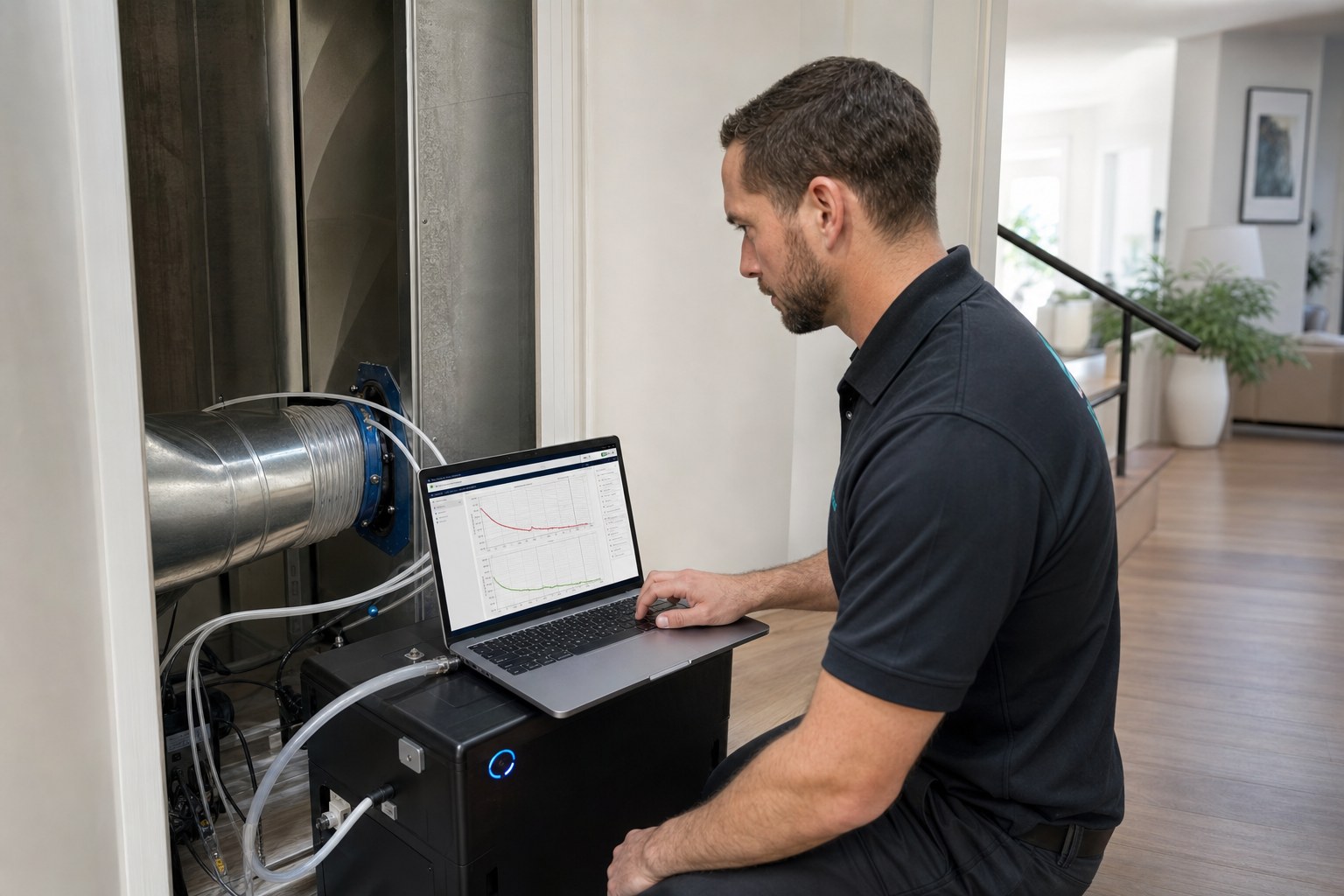
- Inspect the entire duct system
- Identify hidden air leaks
- Recommend proper insulation materials
- Ensure complete coverage
- Meet local building codes
- Deliver long-lasting results
Professional installation also reduces the risk of improper insulation that limits airflow or creates moisture issues.
Seasonal Benefits of Duct Insulation
Summer
Keeps cooled air colder while reducing heat gain inside attics and crawl spaces.
Winter
Maintains warm airflow, helping rooms heat more evenly.
Year-Round
Improves HVAC performance while reducing energy waste regardless of season.
Maintenance Tips After Installation
To maximize performance:
- Schedule regular HVAC inspections.
- Replace air filters routinely.
- Check visible ductwork annually.
- Keep attic ventilation functioning properly.
- Repair damaged insulation promptly.
- Seal new air leaks immediately.
Routine maintenance preserves efficiency for years.
Choosing a Professional Duct Insulation Contractor
When selecting an insulation company, consider:
- Industry experience
- Licensed professionals
- High-quality insulation materials
- Thorough inspections
- HVAC expertise
- Positive customer reviews
- Energy-efficient recommendations
- Transparent pricing
Working with experienced technicians ensures optimal system performance.
Long-Term Benefits of Duct Insulation
Professional duct insulation provides lasting value by:
- Lowering energy costs
- Improving indoor comfort
- Reducing HVAC workload
- Extending equipment life
- Improving indoor air quality
- Reducing condensation
- Supporting environmentally friendly energy use
- Increasing home efficiency
It’s one of the most cost-effective upgrades homeowners can make.
Conclusion
Properly insulated ductwork plays a vital role in maintaining an energy-efficient, comfortable, and healthy home. By reducing energy loss, improving airflow, and helping your HVAC system operate more efficiently, duct insulation delivers year-round benefits that extend beyond lower utility bills. Whether you’re upgrading an older home or looking to improve indoor comfort, investing in professional duct insulation is a smart decision that pays off over time. Green Seal Energy provides expert duct insulation solutions designed to maximize efficiency, enhance comfort, and protect your home’s long-term performance.
Frequently Asked Questions
1. What are duct insulation services?
Duct insulation services involve installing thermal insulation around HVAC ductwork to reduce energy loss, improve airflow, and maintain consistent indoor temperatures.
2. How do I know if my ducts need insulation?
Signs include uneven temperatures, rising energy bills, excessive HVAC runtime, condensation on ducts, weak airflow, and aging or damaged insulation.
3. Does duct insulation really lower energy bills?
Yes. Proper insulation reduces heat gain and heat loss within the duct system, allowing your HVAC equipment to operate more efficiently and consume less energy.
4. Can duct insulation improve indoor air quality?
Yes. When combined with proper duct sealing, insulation helps reduce dust, moisture, and airborne contaminants from entering your HVAC system.
5. How long does duct insulation last?
High-quality duct insulation can last 20 years or more when professionally installed and properly maintained, although periodic inspections are recommended to ensure optimal performance.