
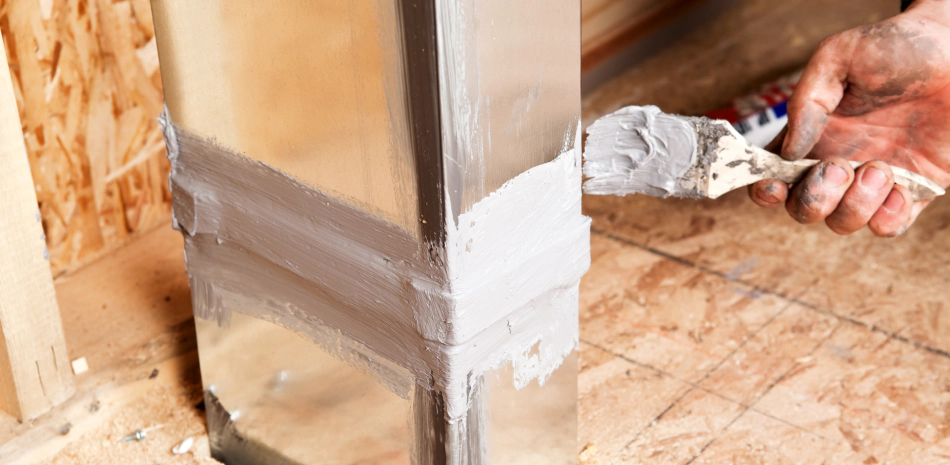
What Is Duct Sealing?
To put it simply, duct sealing is the process of closing gaps, holes, and leaks in your HVAC ductwork to prevent air loss. Your ducts distribute heated or cooled air throughout the building, but when they’re not properly sealed, up to 30% of that air can escape before it even reaches your rooms.
That lost air doesn’t just waste energy, it forces your HVAC system to work harder, reducing efficiency and comfort. Proper ductwork sealing ensures your air moves where it should, maintaining consistent temperatures and cleaner indoor air.
How Does Duct Sealing Work?
The process depends on whether you choose DIY duct sealing or professional duct sealing, but the goal is the same: eliminate leaks and restore airtight ducts.
1. Inspection and Leak Detection
Professionals begin by inspecting your duct system using specialized tools. They identify leaks, disconnected sections, or damaged joints. Some companies use pressure testing or infrared cameras to pinpoint even the smallest openings.
2. Cleaning and Preparation
Before sealing begins, ducts are cleaned to remove dust, debris, or buildup that could prevent sealant from adhering properly.
3. Sealing the Ducts
There are two primary approaches:
- Manual Sealing: Technicians use mastic sealant, foil-backed tape, or mechanical fasteners to close gaps and joints.
- Aeroseal Technology: A cutting-edge process where a mist of polymer particles is blown through the ductwork. These particles automatically seal leaks from the inside, even those hidden behind walls or ceilings.
4. Testing for Efficiency
After sealing, professionals re-test the system to ensure leaks are eliminated and airflow is balanced.
This process not only fixes existing issues but also prevents new leaks from forming in the future.
Common Signs of Leaky Ductwork
Not sure if your ducts are leaking? Here are some signs to look for:
- Uneven temperatures between rooms
- Higher-than-usual energy bills
- Dust accumulation around vents or registers
- Musty or stale indoor air
- HVAC system running longer than normal
- Visible gaps or disconnected ducts in basements or attics
If these issues sound familiar, it’s time to explore how to seal air ducts and restore efficiency.
Why Ductwork Sealing Matters
Leaky ducts are more than just an energy concern, they affect your home’s health, comfort, and safety. Here’s why ductwork sealing is so important:
- Energy Efficiency: Sealed ducts prevent conditioned air from escaping, allowing your HVAC system to operate at peak performance.
- Improved Air Quality: Sealing stops dust, allergens, and pollutants from entering your air supply.
- Lower Energy Bills: Less wasted air means less energy consumption, which directly reduces your utility costs.
- Consistent Comfort: Say goodbye to hot or cold spots; balanced airflow keeps every room comfortable.
- HVAC Longevity: With reduced strain on your system, components last longer and require fewer repairs.
The benefits of duct sealing go beyond short-term comfort, they translate into long-term savings and a healthier living environment.
DIY vs. Professional Duct Sealing
When researching how to seal air ducts, you might wonder if it’s a DIY project. While small surface cracks in exposed ducts can be sealed at home, professional service is often the smarter choice, especially for complex systems.
DIY Duct Sealing
- Pros: Lower initial cost, simple for visible ducts, quick temporary fix.
- Cons: Limited reach, less effective, not suitable for hidden or extensive leaks.
Professional Duct Sealing
- Pros: Advanced tools like Aeroseal technology, full-system sealing (even behind walls), certified technicians, lasting results.
- Cons: Higher upfront cost but better long-term return on investment.
If you’re after complete efficiency and air quality improvements, professional duct sealing delivers unmatched results.
The Benefits of Duct Sealing
1. Energy Savings
According to the U.S. Department of Energy, leaky ducts can reduce HVAC efficiency by up to 20-30%. Sealing prevents this waste, lowering energy consumption year-round.
2. Cleaner Indoor Air
When ducts leak, they draw in dust, insulation fibers, and pollutants from crawl spaces or attics. Sealed ducts keep your indoor air cleaner and healthier for your family.
3. Enhanced Comfort
A balanced air system means no more temperature swings. You’ll enjoy consistent warmth in winter and cooling in summer across every room.
4. Longer HVAC Life
Because your system no longer needs to overcompensate for air loss, it operates more smoothly and lasts longer.
5. Eco-Friendly Performance
Reduced energy use means a smaller carbon footprint, making home duct sealing a smart move for sustainability.
Understanding the Cost of Duct Sealing
The price of duct sealing varies depending on your home’s size, duct accessibility, and the method used.
Average Cost Ranges:
- Manual sealing: $1,000-$2,000
- Aeroseal duct sealing: $1,800-$3,500
- Commercial systems: Varies by scale and complexity
While it may seem like an investment, the energy savings alone can pay for the service within a few years. Add the health and comfort benefits, and the value becomes even clearer.
How Often Should You Seal Your Ducts?
Ducts generally don’t need frequent resealing. However, you should consider an inspection every 5-10 years or anytime you:
- Notice inconsistent temperatures
- Replace your HVAC system
- Move into an older home
- See visible duct damage
Regular maintenance ensures your duct system continues to perform at its best.
Can Duct Sealing Improve Airflow in Commercial Buildings?
Absolutely. Businesses depend on consistent indoor climate and energy efficiency just as much as homeowners do. In commercial settings, leaky ducts can lead to higher operational costs, uneven heating and cooling, and indoor air quality issues that affect employee comfort.
Professional ductwork sealing can drastically improve system performance and reduce monthly energy bills across office spaces, warehouses, or retail properties.
Why Aeroseal Is Changing the Game
Traditional methods like tape or mastic sealant work well for accessible ducts, but what about leaks hidden behind walls or ceilings? That’s where Aeroseal technology stands out.
Aeroseal distributes a fine mist of sealant particles through the duct system. These particles seek out and plug leaks from the inside, sealing gaps as small as 1/16 of an inch to as large as one inch, without the need for invasive duct access.
It’s fast, precise, and proven to reduce air loss by up to 90%, making it a preferred option for both residential duct sealing and commercial systems.
Maintenance Tips After Sealing Your Ducts
Once your ducts are sealed, maintain efficiency with these simple steps:
- Replace air filters every 1–3 months.
- Keep vents open and unobstructed.
- Schedule annual HVAC inspections.
- Monitor energy bills for sudden changes.
These small efforts help your duct system stay efficient and your indoor air stay fresh.
Conclusion: Better Airflow Starts with Proper Duct Sealing
Duct sealing isn’t just a technical upgrade, it’s an investment in comfort, health, and long-term savings. By eliminating air leaks, you ensure your HVAC system performs at its full potential, keeping your home or business comfortable all year long.
If you’ve been wondering what is duct sealing, now you know it’s one of the smartest steps you can take to enhance your indoor environment and reduce energy waste.
Why Homeowners and Businesses Trust Green Seal Energy
At Green Seal Energy, we’ve spent over 20 years helping homeowners and businesses across the Kansas City area achieve cleaner, more efficient air systems. Located in Overland Park, KS, we combine experience, integrity, and innovation to deliver long-lasting results. From new construction projects to aeroseal duct sealing, our certified team handles every job with care and precision.
We’re committed to honesty, quality, and the well-being of our customers. Call (816) 200-0129 today for a free consultation and evaluation, and discover the lasting benefits of professional duct sealing.